 Ultimate guide
What to Look for in a Luxury Photography Consultation
Last Updated: November 8, 2026
Quick Summary
A luxury photography consultation should confirm that the photographer understands your senior, explain exactly what you will receive, and show how the process will feel from start to finish. Swartz Portraits offers a complimentary 60-minute in-home luxury photography consultation so families can evaluate the work before committing.
- Expect coverage of the student, the vision, the logistics, and the investment.
- Ask how many seniors are photographed each year and how many come from one high school.
- Confirm in writing what is included, what costs extra, and when proofs are revealed.
- Ask who owns the images and whether you can approve or decline publication of any frame.
- Get rescheduling, cancellation, and contingency terms in writing before signing.
Table of Contents
- What a Luxury Photography Consultation Should Accomplish
- How to Prepare for a Senior Portrait Consultation
- Senior Portrait Photographer Questions Every Family Should Ask
- Questions the Photographer Should Ask Your Senior
- Photography Style and Aesthetic Fit
- Evaluating Experience and Master-Level Credentials
- Understanding the Session: Length, Locations and Outfit Changes
- Senior Portrait Session Timeline From Consultation to Reveal
- Senior Portrait Outfit Planning Guidance
- What Is Included: Digital Files, Prints, Albums and Wall Art
- Heirloom Quality and Handcrafted Materials
- Comfort, Personality and Helping a Shy Senior Relax
- Privacy, Contracts and What to Review Before You Commit
- Common Consultation Mistakes to Avoid
- Schedule Your Free In-Home Consultation
- Frequently Asked Questions
What a Luxury Photography Consultation Should Accomplish
A luxury photography consultation should do three things: confirm that the photographer understands your senior, explain exactly what you will receive, and give you a clear sense of how the process will feel from start to finish. Swartz Portraits offers a complimentary 60-minute in-home consultation for exactly this purpose, so families can evaluate the work before committing to anything.
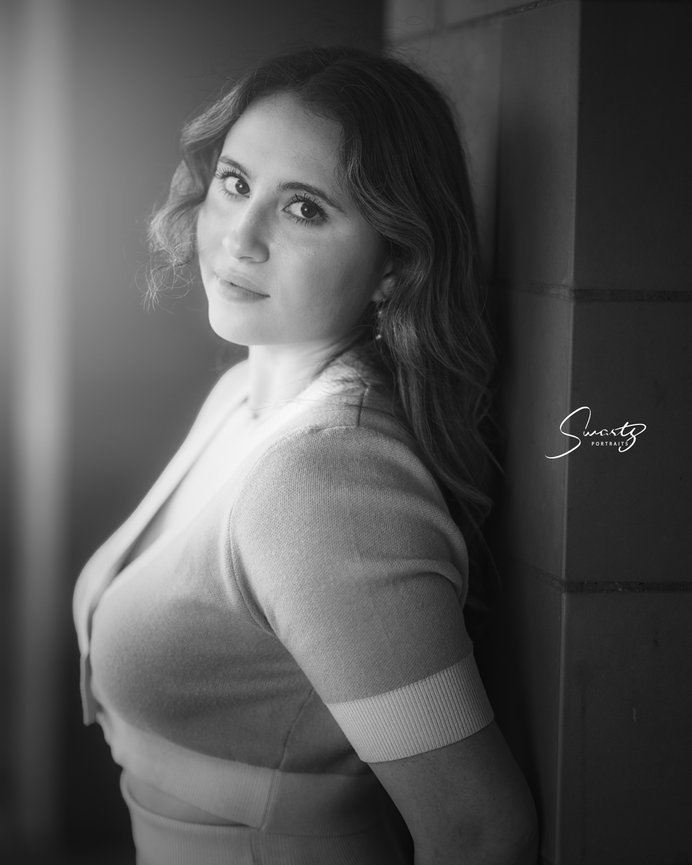
Think of the consultation as the first portrait session in its own right. It is where a luxury photography consultation earns your trust or fails to. A studio that rushes you toward a booking is telling you how the rest of the experience will go.
Many families arrive expecting a sales pitch and leave having discussed their son's favorite place to read or their daughter's sense of style. That conversation is the point. Fine art senior portraits depend on knowing the student, and you cannot judge that from a price list.
Expect the consultation to cover four areas:
- The student: personality, interests, comfort in front of a camera, and the look they want to project.
- The vision: locations, mood, color, and how the portraits will be used at home.
- The logistics: session length, timing, outfit planning, and the path from session to reveal.
- The investment: what is included, what is optional, and how decisions are made.
Leave the consultation with specific answers, not general reassurance. If you cannot describe the portraits you are about to commission, the consultation has not done its job.
How to Prepare for a Senior Portrait Consultation
Preparation makes the consultation far more productive. Families who arrive with a clear picture of their goals get more out of an hour than families who start from scratch.
Start by talking with your senior. Ask what they want their portraits to say about them. Some students want something quiet and reflective. Others want bold color and movement. Their answer will shape every decision that follows.
Next, gather visual references. Save photographs you love from magazines, books, and museum visits. Note what draws you to each one: the light, the composition, the setting, or the expression. Bring these to the consultation so the conversation starts with examples rather than adjectives.
Write down your questions in advance. Use the list in the next section as a starting point, and add anything specific to your family. A short written list keeps the conversation focused and ensures nothing important gets forgotten once the discussion gets going.
Finally, decide on your priorities in advance. Rank the following in order of importance:
- How the portraits feel and look
- The locations used for the session
- The heirloom pieces you want to display or pass down
- The timeline from session to reveal
Knowing your ranking helps the photographer recommend the right collection and sets realistic expectations about what fits your schedule.
Senior Portrait Photographer Questions Every Family Should Ask
The right questions reveal whether a studio is a good fit. Ask these directly and listen to how specifically the answers are given.
- How many seniors do you photograph each year, and how many come from any single high school? A studio that limits its roster can give each student real attention. At Swartz Portraits, the studio photographs 100 seniors per year with no more than 8 from any single high school.
- How long is the session, and what happens if we need more time? The Swartz Portraits session runs up to five hours, so you can work unhurriedly across several locations.
- How many outfit changes are included? Swartz Portraits includes unlimited outfit changes in the session fee.
- When will we see the proofs, and how are they revealed? Ask whether the reveal happens in person and how long it takes. Swartz Portraits reveals proofs in person 7 to 10 days after the session.
- What is included in the collections, and what costs extra? Get the full list in writing before you decide.
- Can I see how you have worked with students who have a personality like my son's or daughter's? A studio confident in its work will show you relevant portfolio examples without hesitation.
Pay attention to tone as well as content. A good answer is specific and patient. A vague answer, or pressure to decide on the spot, is worth noticing.
Questions the Photographer Should Ask Your Senior
A strong consultation runs in both directions. The photographer should be asking questions too, and the best ones are aimed at the student rather than the parents.
Expect questions about the student's interests, favorite places, and hobbies. These details often become the basis for locations and wardrobe ideas. A student who plays guitar may want a portrait near the music building. A student who loves the outdoors may want a session at Lake Conroe.
Expect questions about comfort. Some students are naturally expressive in front of a lens. Others need time to settle. A thoughtful photographer will ask how your senior feels about being photographed and what makes them most at ease.
Expect questions about style. What do they wear when they feel most like themselves? Which colors do they reach for? Which images from social media do they like, and which do they dislike? These answers guide the look of the final portraits far more reliably than a generic style menu.
If the photographer asks almost nothing about your senior, consider that a warning sign. Fine art portraiture depends on knowing the person in front of the camera.
Photography Style and Aesthetic Fit
Every photographer has a visual language. Before booking, decide whether that language matches what you want. Look closely at the portfolio. Are the images consistent in light, color, and mood? Does the photographer use a consistent approach across different students, or does each portrait look like a different studio made it?
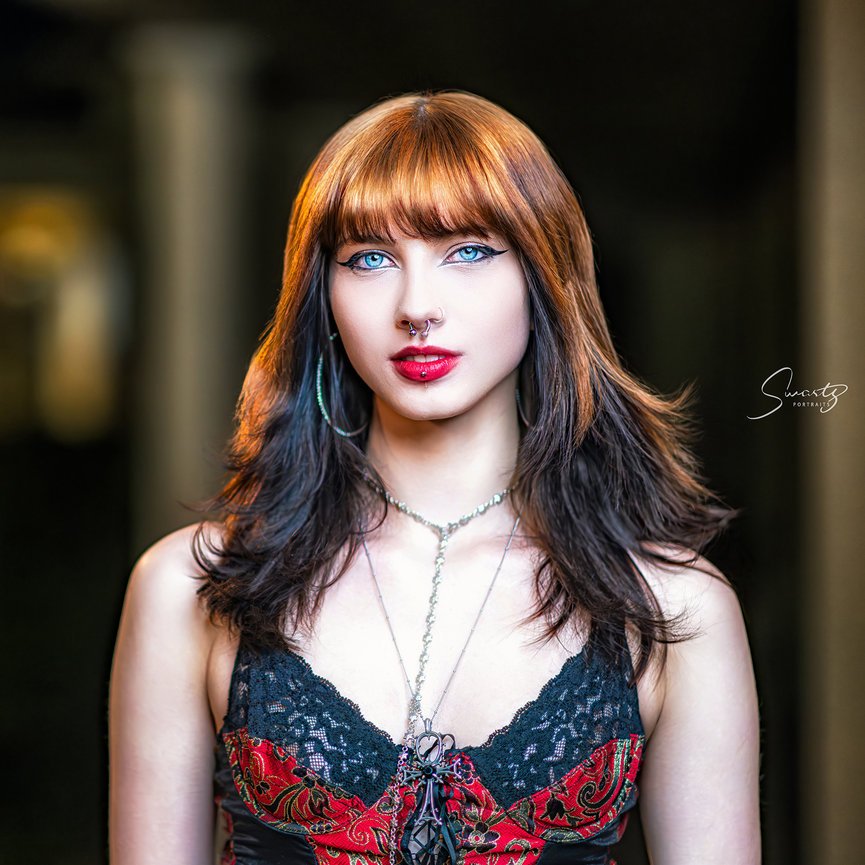
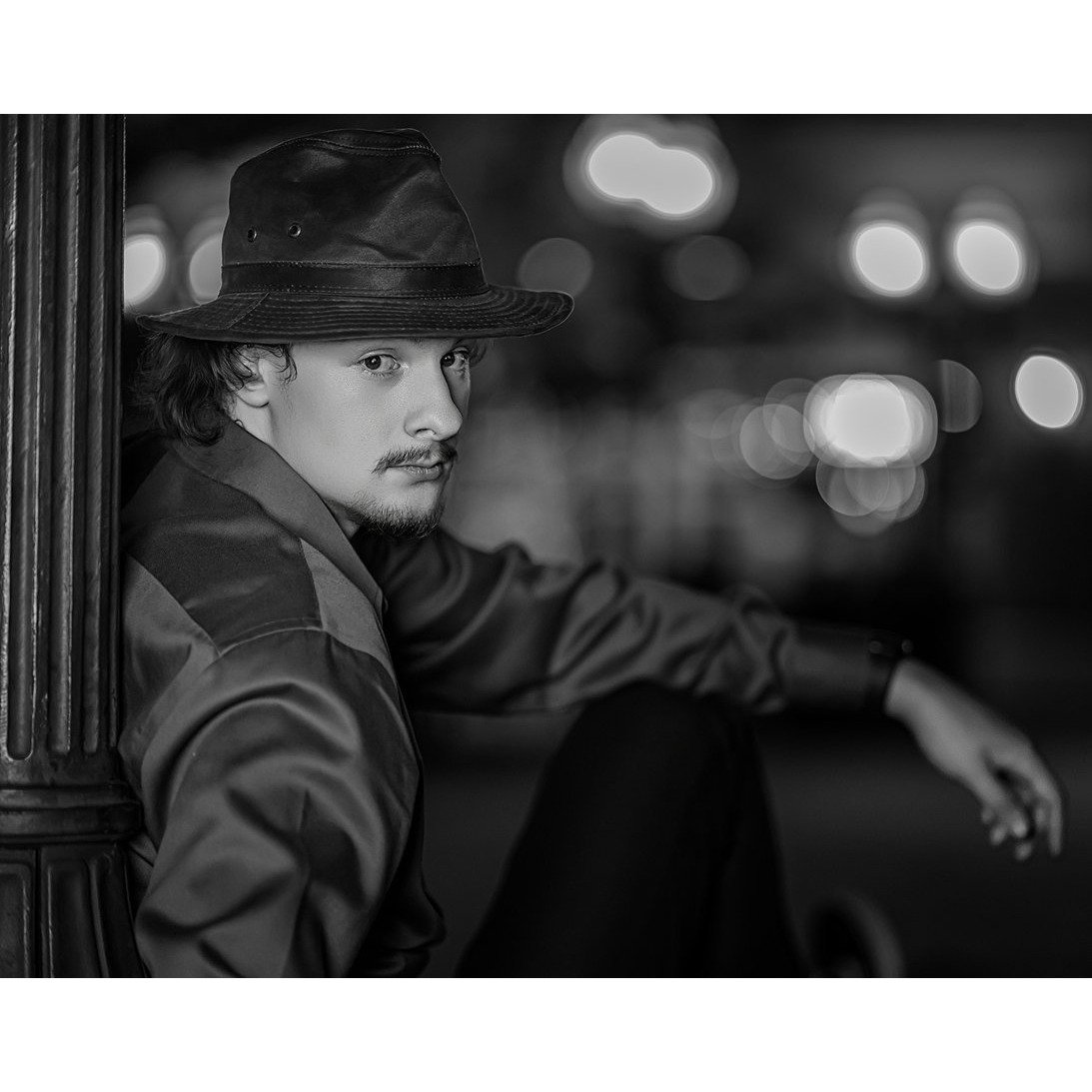
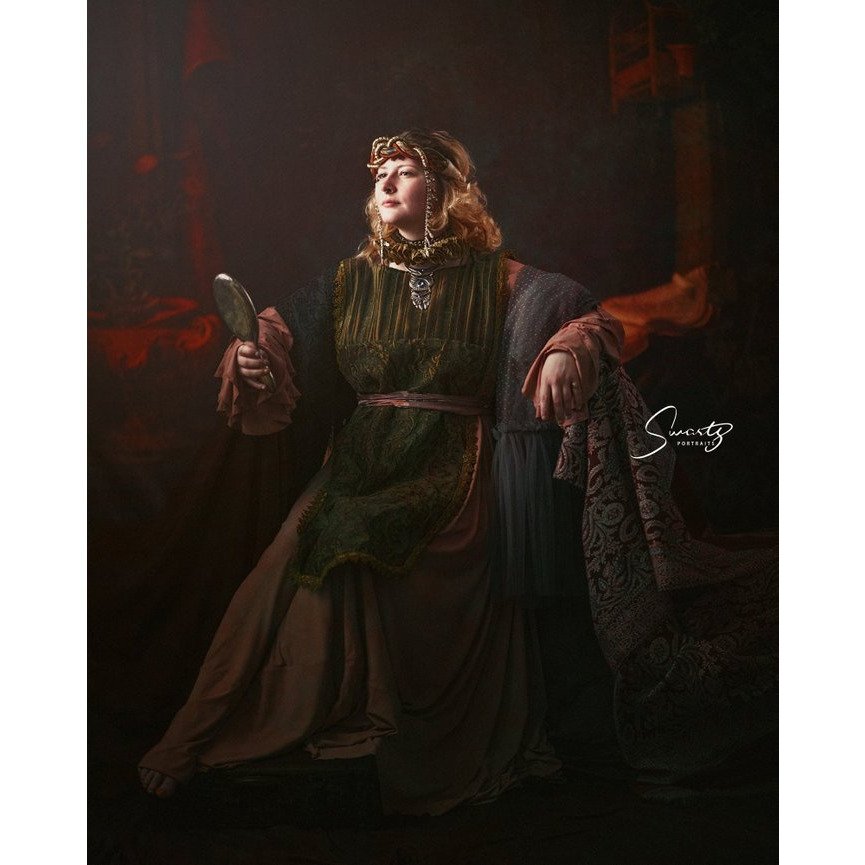
Fine art senior portraits tend to favor natural light, considered composition, and a quiet, editorial mood. They are less concerned with trends and more concerned with timelessness. That quality matters because these portraits are meant to hang on a wall for decades.
Ask yourself whether the work feels honest. Portraits that look like the student, rather than a stylized version of them, tend to age well. The goal is recognition: when your senior looks at the image years from now, they should see themselves clearly.
Aesthetic fit is subjective, but it is also testable. If you cannot imagine your senior in the portraits you see, the fit may not be right, however impressive the work.
Evaluating Experience and Master-Level Credentials
Experience and credentials are not the same thing, but both matter. Ask about how long a photographer has been working, how many seniors they have photographed, and what professional recognition they hold.
Ty Swartz is a Master Photographer with over 40 years of experience and more than 1,000 seniors photographed. His credentials include the Master of Photography (M.Photog.Cr.) degree and the Certified Master Photographer (CPP) credential. These are useful reference points, but treat them as a starting place for your own evaluation rather than a substitute for it.
Look beyond the titles. Consider how the photographer handles your questions, how they respond to your senior's personality, and whether the portfolio shows sustained quality over many sessions. A long career should show in the consistency of the work.
When comparing studios, use the same questions and the same criteria for each. That keeps the decision grounded in evidence rather than impression.
Understanding the Session: Length, Locations and Outfit Changes
A senior portrait session at Swartz Portraits is built for an unhurried pace. The session runs up to five hours, which allows the photographer to move between locations, change outfits without a clock running, and wait for the right light.
Location choice shapes the portraits. Swartz Portraits works in real, public locations such as Lake Conroe, The Woodlands Waterway, Market Street, Old Town Spring, Mercer Botanic Gardens, and Towne Lake. Each has a distinct character. Water and open sky suit a reflective mood. Historic streets and gardens suit a more classic composition.
Outfit changes are often the most anticipated part of the session. Unlimited changes mean your senior can show range, from a formal look to something more personal. Plan a few core wardrobe pieces and leave room for spontaneity.
Ask the photographer how long each location typically takes and how transitions are handled. A well-run session moves smoothly and leaves your senior feeling settled rather than rushed.
Senior Portrait Session Timeline From Consultation to Reveal
Understanding the timeline removes much of the uncertainty around the process. The usual path looks like this:
- Consultation: A complimentary 60-minute in-home conversation about your senior, your goals, and the options available.
- Application and planning: Because Swartz Portraits is application-only, the studio reviews your request and confirms the next steps.
- Session: Up to five hours of photography across chosen locations, with unlimited outfit changes.
- Reveal: Proofs are shown in person 7 to 10 days after the session.
- Ordering: You select the collections, prints, albums, or wall art that suit your home and your family's needs.
- Delivery: Your handcrafted pieces are produced and delivered.
Build your own schedule around these stages. Note any dates that matter, such as graduation events, family travel, or school commitments, and share them early so they can be planned around.
Senior Portrait Outfit Planning Guidance
Outfit planning is simpler when you work with a clear strategy. Choose three to five pieces that represent different sides of your senior's personality. Include at least one look that feels classic and one that feels like them.
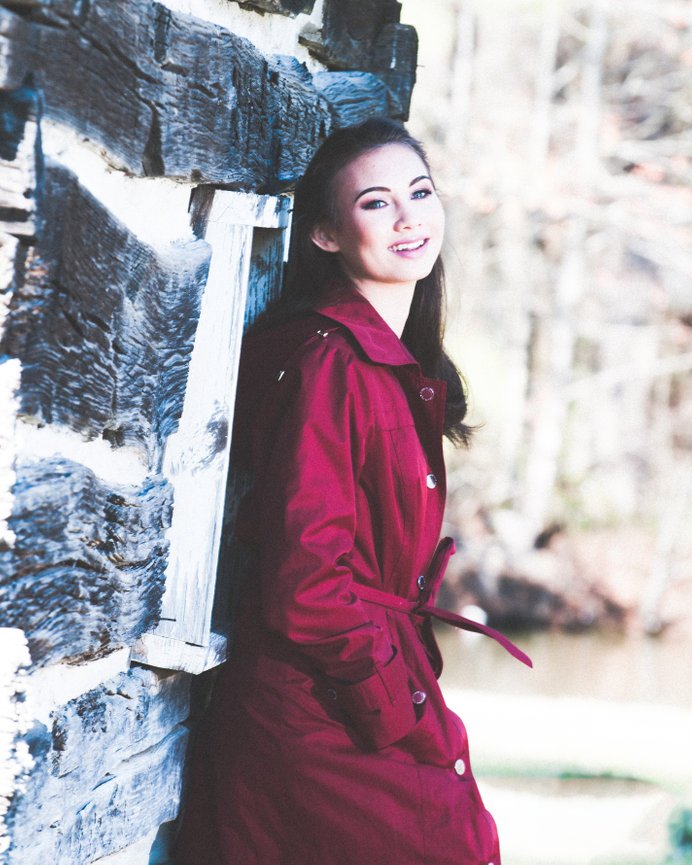
Avoid heavy logos, busy patterns, and colors that clash with the locations you plan to use. Neutral and jewel tones tend to photograph beautifully outdoors. Bring pieces in several sizes if fit is uncertain, and test how each one moves.
Consider the setting. A waterfront location may call for flowing fabric, while a garden or historic street may suit structured tailoring. Coordinate with the photographer so wardrobe and location support each other.
Pack carefully. Bring steamers or a garment bag, a small repair kit, and any accessories you plan to use. Confirm a backup outfit in case weather changes the plan.
What Is Included: Digital Files, Prints, Albums and Wall Art
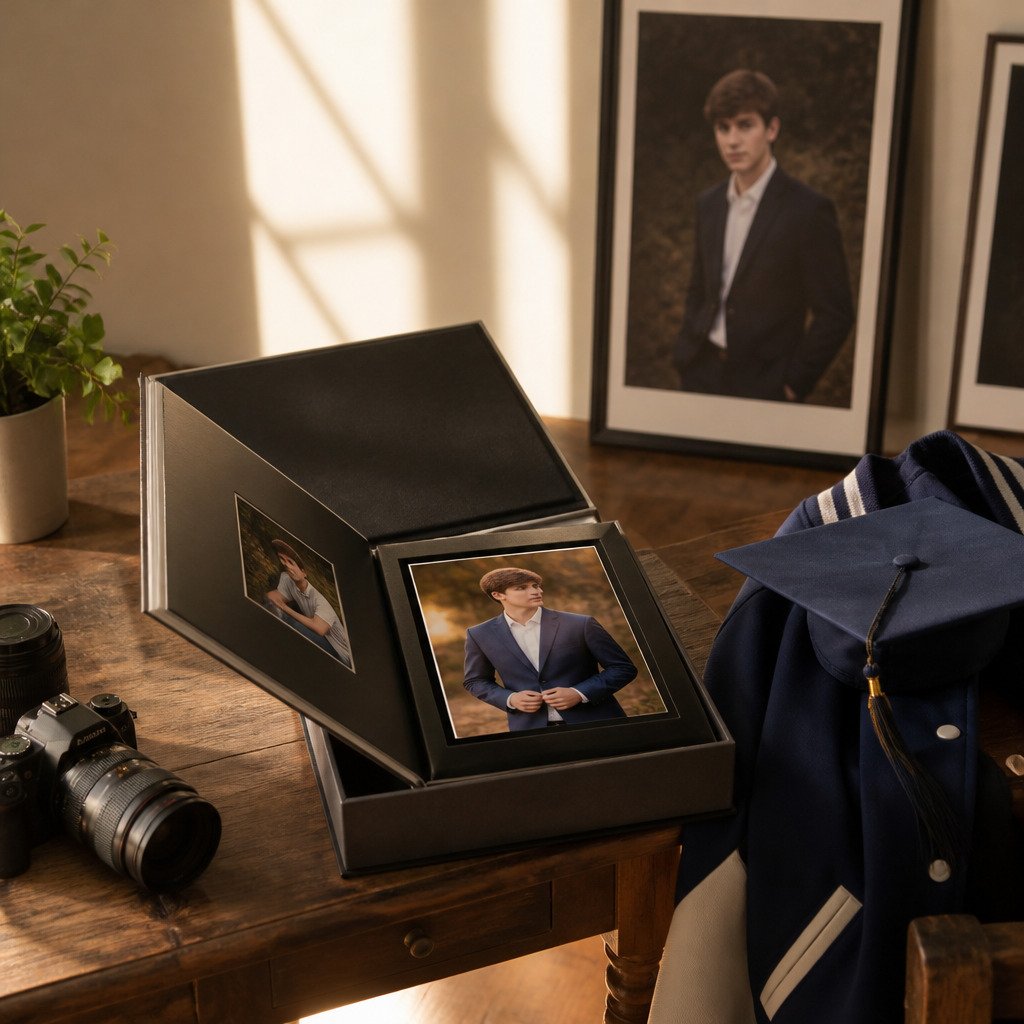
Clarity about deliverables prevents surprises. Ask for a written list before you commit. Swartz Portraits offers a range of options, including high-resolution digital files, museum-quality prints, albums, and wall art.
Digital files give your family the ability to share and print as needed. Prints and albums are the lasting physical record, while wall art creates a focal point in the home. Consider how each will be used and where it will live.
Compare what is included in the session fee against what is offered as an additional purchase. Ask how long each item takes to produce and when you should place your order to receive it in time for graduation or family events.
Keep the decision practical. The most valuable collection is the one your family will actually display and return to.
Heirloom Quality and Handcrafted Materials
Swartz Portraits produces its museum-quality heirloom prints, albums, and wall art handcrafted in Italy by GraphiStudio. The emphasis is on materials and craftsmanship designed to last for generations.
When evaluating heirloom quality, ask about the materials, the printing process, and how pieces are protected and presented. Request to see samples where possible. Handling a finished album or viewing a print in person tells you more than any description.
Think about the long view. A portrait commissioned for a graduation can become a family document that is passed down. Choosing pieces built to endure is part of making that possible.
Comfort, Personality and Helping a Shy Senior Relax
Many students feel self-conscious in front of a camera, and that is normal. A relaxed, unhurried process is the best remedy. Because the Swartz Portraits session has no rush, there is time for conversation, movement, and small adjustments that help a student settle.
Practical steps help too. Talk about the session beforehand so the experience is familiar. Choose a location your senior already likes. Let them bring music or a favorite object if it helps. Allow for breaks and do not judge early frames, since the most natural images often come once a student stops performing.
Parents can help by stepping back. Your senior will often relax more when they are not watched constantly. Trust the process and let the photographer guide the interaction.
A good photographer draws out personality rather than imposing a pose. Ask how they approach shy students and listen for specifics.
Privacy, Contracts and What to Review Before You Commit
Before you commit, read the agreement line by line and ask for plain answers to the questions below. A luxury studio expects this and will welcome it. A studio that bristles at a careful read is telling you something worth hearing.
What the session fee covers, and what it does not. Confirm in writing what the fee includes and what is offered as a separate purchase.
The payment schedule. Ask when each payment is due and what each one applies to. Get the dates in writing rather than relying on a verbal summary.
Rescheduling and cancellation terms. Senior year is crowded: exams, playoffs, college visits, and family travel all compete for the same weeks.
Contingency coverage. Ask what happens if the photographer is ill or an emergency arises on session day. A well-run studio has a plan, and you should know what it is before you need it.
Image ownership and publication. Ask who owns the copyright, what rights your family receives, and whether the studio may display your senior's images in its portfolio, on social media, or in studio materials.
Storage and access. Confirm how images are stored, who can see them, how long they are retained, and how your family accesses them after delivery. Ask what happens to files if you misplace a digital copy years later.
Deliverables and timing in writing. Get the reveal window and the delivery window in the agreement. At Swartz Portraits proofs are revealed in person 7 to 10 days after the session.
A simple review checklist. Before you sign, confirm you have written answers to each of these: what the fee covers, the payment schedule, reschedule and cancellation terms, contingency coverage, image ownership and publication approval, storage and access, and delivery timing.
Watch out: a contract that is vague about publication rights or rescheduling is not a formality to sign past. Ask for the specific language, and if it is still unclear, ask a trusted advisor to read it with you before you commit.
Common Consultation Mistakes to Avoid
Most consultation advice stops at "don't decide on price alone." That is true but useless, because it gives a family nothing to do differently in the room.
Treating the consultation as a sales meeting instead of an evaluation. The family that arrives to be persuaded leaves persuaded by whoever talked fastest. Arrive with your ranked priorities from the preparation section and a written question list.
Letting the parents do all the talking. Fine art senior portraits depend on the student, and a consultation where the senior never speaks tells you nothing about whether the photographer can draw that student out.
Judging the portfolio by its best frame. Every studio shows its strongest image first. Ask to see a complete session from one student, start to finish, including the quieter frames.
Skipping the logistics because the pictures are beautiful. Timelines, reveal dates, delivery windows, and what happens if a location falls through are the parts of the experience that cause stress later. Get them in writing.
Confusing scarcity with pressure. Real limits are stated plainly and early: a set number of seniors per year and a cap per high school. Pressure is a deadline invented in the room. Learn to tell the two apart.
Bringing a fixed vision and refusing to bend. The best consultations leave room for the photographer's judgment and your senior's instincts. Arrive with references and priorities, not a shot list you will not negotiate.
Leaving without a written summary. Before you go, ask for the key points in writing: what is included, what is optional, the reveal window, and the next step.
Watch out: a consultation that ends with a signature request before you have had a night to compare studios is telling you how the rest of the relationship will feel.
Finally, do not treat the consultation as a formality you endure on the way to the session.
The mistakes that most often cost families a good outcome are specific, and each has a correction you can apply during the consultation itself.
| Mistake | Correction |
|---|---|
| Treating the consultation as a sales meeting | Arrive with ranked priorities and a written question list |
| Letting parents do all the talking | Watch whether the photographer questions your senior directly |
| Judging by the best frame | Ask to see one complete session from start to finish |
| Skipping logistics | Get timelines and reveal dates in writing |
| Confusing scarcity with pressure | Real limits are stated plainly; invented deadlines are not |
| Bringing a fixed shot list | Leave room for the photographer's judgment and your senior's instincts |
| Leaving without a summary | Ask for included items, options, reveal window and next step in writing |
Schedule Your Free In-Home Consultation
A luxury photography consultation is most valuable when it is specific to your senior and your family. Swartz Portraits accepts a limited number of students each year, with no more than 8 from any single high school, so booking early keeps your options open.
The complimentary 60-minute in-home consultation lets you meet Ty Swartz, review the portfolio, and ask every question on your list. You leave with a clear picture of what to expect and no obligation to proceed.
Schedule your free in-home consultation.
Frequently Asked Questions
What should parents ask during a senior portrait consultation?
Ask how many portraits your senior will receive, what is included in the session fee and what costs extra. Ask how long the session runs, how many locations are used and how the proofs are revealed. Ask about print, album and wall art options and how they are handcrafted. Ask how the studio limits its bookings, since Swartz Portraits photographs no more than 100 seniors per year and no more than 8 from any single high school. A clear, specific answer to each question tells you whether the studio's process fits your family.
What happens during a senior portrait consultation?
A complimentary 60-minute in-home consultation gives you time to talk through your senior's personality, style preferences and goals for the portraits. You review the studio's previous work, discuss locations and outfit ideas, and learn how the session and the reveal will work. The consultation is also your chance to decide whether the photographer's approach feels right for your family before you commit.
How should a high school senior prepare for a portrait consultation?
Your senior should think about the clothes, colors and places that feel most like them, and bring a few examples of images they admire. Encourage them to share what they enjoy doing, because personality often shows up most clearly in candid moments. A relaxed senior who has thought about these details will contribute more to the conversation and will feel more at ease on the day of the session.
How long does a senior portrait consultation usually take?
The complimentary in-home consultation at Swartz Portraits runs about 60 minutes. That gives your family room to ask questions, review the work and talk through locations and outfits without feeling rushed. Plan for the full hour so you can cover the questions that matter most to you before you decide.