 how-to
Choosing Senior Portrait Locations: A 2026 Guide
Table of Contents
- What Makes a Great Senior Portrait Location
- How Your Personality Shapes Location Choice
- Senior Portrait Location Ideas for Natural Settings
- Urban and Downtown Backdrops for Senior Portraits
- Senior Portrait Outfit Ideas That Match Your Setting
- Planning Your Senior Portrait Session for Multiple Locations
- Lighting, Time of Day, and Seasonal Considerations
- Logistics: Access, Travel, and Weather Backup Planning
- Bringing Your Vision to Life
- Frequently Asked Questions
Last Updated: October 21, 2026
What Makes a Great Senior Portrait Location
The best senior portrait locations do three things: they reflect who your child is, they provide strong natural light, and they feel comfortable to pose in for several hours. A location works when it stops feeling like a backdrop and starts feeling like part of the story.
At Swartz Portraits, we've guided hundreds of high school seniors through location selection. The locations that produce the strongest portraits share specific qualities. They offer visual interest without overwhelming the subject. They have clean sight lines so the senior remains the focus. They provide natural shade or open light depending on the time of day.
Your location choice shapes the entire mood of your portraits. A forest setting creates intimacy and reflection. Urban architecture conveys confidence and sophistication. Water features add movement and light play. The goal is matching the setting to your child's personality, not choosing what looks good in general.
Consider what your child gravitates toward in daily life. Does she spend time outdoors hiking and exploring. Does he prefer downtown areas and modern spaces. Does she love quiet, contemplative environments. The answer guides your location strategy more reliably than any trending backdrop.
How Your Personality Shapes Location Choice
Personality is the first filter, not a vague feeling. Turn it into a decision by scoring your senior against five practical traits: energy level, comfort in crowds, tolerance for walking and heat, response to structure versus wildness, and how much she wants the setting to tell a story. Most families find that two or three traits clearly dominate, and those traits eliminate half the possible locations before you ever look at a portfolio.
Use this location-selection checklist as a working framework. Rate each candidate location from one to five on each line, then compare totals.
- Style fit. Does the setting match how your senior actually dresses and carries herself, not how she looks in someone else's gallery.
- Light quality at your session time. Does the location offer open sky, shade, or both at the hour you can shoot.
- Access and walking distance. How far from parking to the first shooting spot, and how many steps between spots.
- Privacy and crowd level. Will strangers cross the frame, and are there quieter corners at off-peak hours.
- Outfit-change options. Is there a restroom, a vehicle nearby, or a sheltered spot to change.
- Weather exposure. How much of the location is shaded, covered, or exposed to wind and sun.
- Travel time between stops. Whether a second location fits inside the session window.
- Permission and reservation needs. Whether the location requires a permit, a reservation, or advance notice.
A quiet, introspective senior usually scores highest on privacy, shade, and short walking distance. A confident, socially energized senior often scores highest on architectural variety, open sight lines, and a location with movement and activity. An athlete or outdoors-focused senior tends to score highest on open space, natural texture, and a setting that lets her move rather than pose stiffly. A creative, style-driven senior often scores highest on texture, color, and layered backgrounds she can interact with.
Comfort is the deciding tiebreaker. If your child feels self-conscious in a busy downtown corridor, that discomfort will show in every frame no matter how strong the architecture is. If she thrives on activity and people, a secluded forest can feel flat and isolating. The location should let her look like herself, not like she is performing a role.
Interests point toward settings. A senior who spends weekends on the water will look at home along a shoreline. A senior drawn to art and design often responds to textured walls, historic facades, and strong geometry. A senior who loves fashion and bold styling tends to shine against clean modern lines and saturated color. Personal style matters as much as hobby: classic, timeless dress reads beautifully in soft natural light, while modern, high-contrast styling pairs with urban structure.
The location becomes a conversation between the senior's personality and the environment. When they align, the portraits feel authentic rather than staged.
Senior Portrait Location Ideas for Natural Settings
Natural settings offer soft, forgiving light and visual depth that flatters most skin tones and creates a sense of calm. These locations work across seasons and times of day because nature provides its own visual interest.
Lake and water locations create movement and reflection. The water catches light beautifully during golden hour. Shorelines offer clean sight lines where the senior stands between the water and sky. Lake Conroe provides open water views and natural banks that feel spacious without feeling empty.
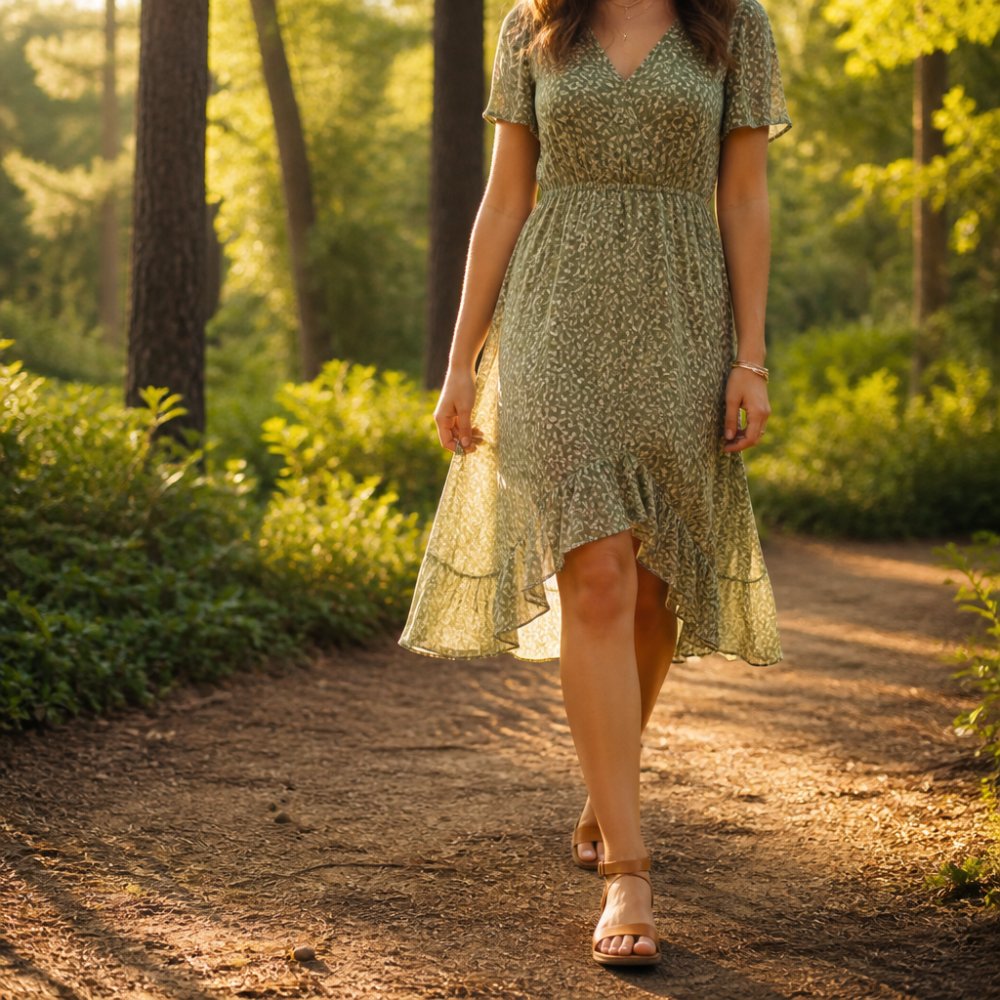
Forest and tree-lined settings provide dappled light and natural framing. Trees create layers in the background that add depth without distraction. The canopy softens harsh midday sun. These settings suit contemplative, artistic seniors and those who feel grounded in nature.
Gardens and botanical spaces combine cultivated beauty with natural elements. Mercer Botanic Gardens offers multiple environments within one location: open lawns, flowering areas, shaded paths, and water features. Gardens work for seniors who appreciate structure and intentional design.
Open fields and meadows provide uncluttered backgrounds and expansive light. Fields work well during golden hour when the sun is low and warm. They suit seniors who want simplicity and focus on their expression and posture.
Wooded trails and nature preserves offer intimate, secluded settings. Trees frame the senior naturally. These locations feel private and calm, ideal for students who prefer quieter environments.
Natural settings require planning around weather and seasonal changes. Spring offers blooming trees and fresh green. Summer provides full canopy and consistent warmth. Fall delivers color and golden light. Winter offers bare branches and clear sight lines.
Urban and Downtown Backdrops for Senior Portraits
Urban locations project confidence and sophistication. Architecture provides strong visual structure that frames the senior without overwhelming them. Brick walls, metal railings, glass, and geometric lines create modern, polished portraits.
Historic districts and downtown areas offer character and texture. Old Town Spring combines vintage architecture with tree-lined streets and natural light. Market Street in The Woodlands provides retail architecture, natural landscaping, and varied backgrounds within walking distance.
Architectural details like brick walls, metal doors, and window frames create professional backdrops. These elements work best when they're clean and uncluttered. The senior should dominate the frame, with architecture supporting rather than competing.
Alleyways and narrow streets create intimate urban settings. Shadows and light play off building surfaces. These locations suit students who want edgy, modern portraits with personality.
Parking structures and industrial spaces offer raw, contemporary aesthetics. Concrete, metal, and geometric patterns appeal to students with modern style. These locations require careful positioning to keep the background clean.
Retail and commercial areas provide visual interest without nature. Storefronts, signage, and landscaping offer layered backgrounds. These work best during off-peak hours when crowds are minimal.
Urban settings require attention to crowds and foot traffic. Early morning or off-peak hours produce cleaner backgrounds and fewer distractions. Check location policies before planning an extended session in commercial areas.
Senior Portrait Outfit Ideas That Match Your Setting
Your outfit choice amplifies the location's mood. The right outfit and setting create visual harmony. Clashing choices create visual tension that reads as awkward in portraits.
For natural, outdoor settings, softer, flowing fabrics and earth tones complement the environment. Cream, tan, sage, and soft blue harmonize with trees and water. Denim works in casual settings. Flowy dresses and relaxed fits suit forest and garden locations. Avoid neon or high-contrast colors that fight with natural surroundings.
For urban, architectural settings, structured clothing and bold colors pop against concrete and metal. Dark jeans, fitted tops, leather jackets, and structured dresses work beautifully. Jewel tones and solid colors read clearly against geometric backgrounds. Avoid busy patterns that compete with architectural lines.
For water locations, lighter colors reflect beautifully. Whites, creams, and pastels glow near water. Avoid dark colors that absorb light and create harsh shadows near reflective surfaces.
For gardens, colors that complement the blooms work well. If the garden has pink flowers, wear soft tones that don't clash. If it's mostly green, jewel tones or earth tones create contrast.
For winter or bare-tree settings, darker, richer colors create visual weight. Burgundy, forest green, navy, and charcoal read strongly against bare branches. Avoid pale colors that disappear into winter light.
Bring multiple outfit options. Most sessions include outfit changes that show different sides of your personality. Choose pieces that work across multiple locations if you're shooting in different areas on the same day.
Planning Your Senior Portrait Session for Multiple Locations
Sessions at Swartz Portraits include up to five hours and unlimited outfit changes, which allows for multiple locations on the same day. Planning multiple locations requires logistics and timing.
Choose locations with proximity in mind. Shooting at Lake Conroe and then driving 30 minutes to Old Town Spring wastes session time. Select two to three locations within 10-15 minutes of each other. This keeps the focus on posing and expression rather than travel.
Scout locations before your session. Visit during the same time of day you plan to shoot. Notice where the light falls. Identify clean sight lines and potential distractions. Understand parking and access. This preparation prevents surprises on session day.
Plan outfit changes strategically. If you're moving locations, outfit changes between locations make sense. Your first location outfit can reflect that setting. Your second location outfit can complement a different aesthetic. This approach maximizes the visual variety in your final collection.
Communicate your location plan to your Master Photographer. During your complimentary 60-minute in-home consultation, discuss your location ideas and vision. Your photographer brings experience about light, timing, and what works in each location. This collaboration ensures your plan is realistic and produces strong portraits.
Build in buffer time. Sessions move faster than you expect when posing and expression are the focus. Buffer time allows for unexpected delays without cutting short any location.
Lighting, Time of Day, and Seasonal Considerations
Light is the foundation of strong portraits. The same location looks completely different at sunrise, midday, and sunset. Seasonal changes affect light quality, color, and mood.
Golden hour (the hour after sunrise or before sunset) produces the most flattering light for portraits. Warm, directional light creates dimension and softness. Skin tones glow. Shadows have shape rather than harshness. Most professional sessions are scheduled during golden hour for this reason.
Midday light is harsh and unflattering. Shadows become dark and unflattering. If you must shoot midday, seek shade under trees or use architectural elements to control light. Overcast days eliminate harsh shadows and create even, soft light that works across any time of day.
Early morning light has a cool, fresh quality. It's softer than midday but different from golden hour warmth. Early sessions work well for seniors who prefer cooler tones and a contemplative mood.
Seasonal light changes throughout the year. Summer sun is high and strong. Winter sun is lower and warmer. Spring and fall offer moderate light angles. Seasonal changes affect which locations work best and what times of day produce ideal light.
Weather affects light quality. Overcast days eliminate shadows and create soft, even light. Cloudy days work beautifully for portraits. Clear days with strong sun require careful positioning and shade. Rain creates moody, atmospheric conditions but requires waterproof planning.
Plan your session timing around light quality, not convenience. A session during golden hour produces noticeably stronger portraits than midday shooting, regardless of location.
Logistics: Access, Travel, and Weather Backup Planning
Logistics decide whether a beautiful location actually works on session day. Build the plan around access, timing, comfort, and a real backup, and the session stays calm even when something shifts.
Confirm permission before you commit. Public parks and open waterfront areas generally allow personal portrait photography, but many require a permit or a reservation for posed sessions, especially on weekends. Gardens and botanical spaces often have photography policies, reserved entry windows, or restrictions on props and equipment. Commercial districts may require advance notice for tripods or large setups. Call the location's office or check its published photography policy before your session date, and confirm whether a reservation, a permit, or a fee applies. Your Master Photographer can advise on which locations typically require advance arrangements.
Map the walk, not just the drive. Measure the distance from parking to the first shooting spot and between spots. A location that looks compact on a map can involve a long walk with a garment bag and a change of shoes. Choose spots where parking is close and the walk is short, especially if you plan multiple outfit changes.
Plan outfit changes around real facilities. Confirm whether the location has a restroom, a sheltered changing area, or space to change in your vehicle. Outdoor locations with no facilities work best when changes happen at the car between stops. Build the outfit order so the most involved look happens first, when energy and light are strongest.
Account for travel time honestly. Two locations ten to fifteen minutes apart fit comfortably inside a multi-hour session. A thirty-minute drive each way consumes session time and light. Keep the route tight and let the locations do the work.
Plan for heat, wind, and sun. Warm afternoons and open waterfronts can be draining over several hours. Bring water, a light layer, and shade for breaks. Windy days at open water or exposed fields can disrupt hair and fabric, so keep a sheltered alternative nearby. Choose shaded or covered spots for the middle of the day and save open light for early or late.
Build a real weather backup. Weather can shift quickly. Identify an indoor or covered backup before session day: a parking structure with clean lines, a covered walkway, or an architectural interior open to the public. A backup is not a downgrade. It is a second plan that keeps the session on schedule if rain, heat, or wind interferes.
Address accessibility up front. If long walks or uneven ground are a concern, say so during your consultation. Many strong locations offer paved paths, close parking, and level ground. Naming the need early lets your Master Photographer suggest accessible spots that still deliver strong portraits.
Plan for privacy and crowds. Popular locations draw crowds at predictable times. Early mornings and weekday evenings usually produce cleaner backgrounds. If privacy matters, choose quieter corners, side paths, or secondary spots within the same location. For safety, keep a parent or friend nearby, stay in public areas, and confirm that access points are open at the hour you plan to shoot.
Bring practical supplies. Water, snacks, touch-up makeup, a brush, a light jacket, and a bag for each outfit keep the session moving. Small comforts matter over a multi-hour shoot.
Coordinate outfits with the setting. Outfit and location should support each other. Soft, flowing fabrics and earth tones harmonize with natural settings. Structured clothing and solid, saturated colors read clearly against architecture. Lighter tones glow near water. Richer, darker tones hold their weight against bare winter branches. Bring options and let your Master Photographer help match each look to each spot.
A tight logistics plan turns a list of scenic places into a session that actually runs on time, in good light, with everyone comfortable.
Bringing Your Vision to Life
Your senior portrait location choice is deeply personal. It's not about choosing the most photogenic backdrop. It's about choosing a setting that feels true to who your child is and what this milestone means to your family.
The strongest portraits happen when the senior feels comfortable and the setting reflects their personality. A shy student in a quiet forest. An outgoing student in vibrant downtown. An artistic student in a garden. An athlete by the water. When location and personality align, the portraits feel authentic.
During your complimentary in-home consultation, bring inspiration images and discuss your vision. Talk about your child's interests, personality, and style. Discuss lighting preferences and seasonal timing. Your Master Photographer brings decades of experience about what works in each location and how to maximize natural light and composition.
The goal is portraits that your family will treasure for generations. Museum-quality heirlooms handcrafted in Italy by GraphiStudio. Wall art that tells your child's story. Prints that become family keepsakes. The location you choose becomes part of that legacy.
Frequently Asked Questions
How do you choose a senior portrait location that reflects your personality?
Start by identifying what matters to you: outdoor spaces if you love nature, urban settings if you're drawn to architecture, or a location tied to a meaningful memory. Your location should feel authentic to who you are, not what you think looks good in photos. The best senior portrait locations are places where you feel comfortable and genuinely yourself. During your consultation, discuss your vision with your photographer so they can recommend settings that align with your style and help you feel confident during your session.
What should you consider when choosing an outdoor senior portrait location?
Consider natural light quality, background interest, accessibility, and crowds. Early morning and late afternoon provide softer, more flattering light than midday sun. Scout the location beforehand to check for distracting backgrounds, uneven terrain, or busy foot traffic. Think about the season and how it affects the landscape. Urban parks, gardens, and natural preserves offer variety, but confirm whether permits are required or if there are restrictions on photography. Weather is always a factor, so have a backup indoor location or alternate date in mind.
How many locations should you choose for senior portraits?
One or two locations are typically ideal for a senior portrait session. Multiple locations allow you to explore different aesthetics and moods within your session time, but too many spreads your energy thin and cuts into actual shooting time. With an unhurried, five-hour session, you have flexibility to move between a natural setting and an urban backdrop, or to explore different areas of the same location. Discuss your location preferences during your consultation so your photographer can help you plan the most efficient and creative session flow.
How can outfits influence senior portrait location choices?
Your outfits and your location should complement each other. A flowing dress works beautifully in natural, garden settings, while structured, modern clothing pairs well with urban architecture and downtown backdrops. Consider color coordination: neutral tones blend into natural foliage, while bolder colors pop against industrial backgrounds. Plan your outfits during the planning phase so your photographer can recommend locations that will showcase them best. With unlimited outfit changes during your session, you can explore different looks across varied backdrops, but coordinating your wardrobe with your settings creates cohesive, polished portraits.
Your senior portrait location should feel like home, even if it's a place you've never been before. It should reflect who your child is at this moment in their life. The right location paired with thoughtful styling and professional guidance produces portraits that capture not just how your child looks, but who they are.
Schedule your free in-home consultation.