
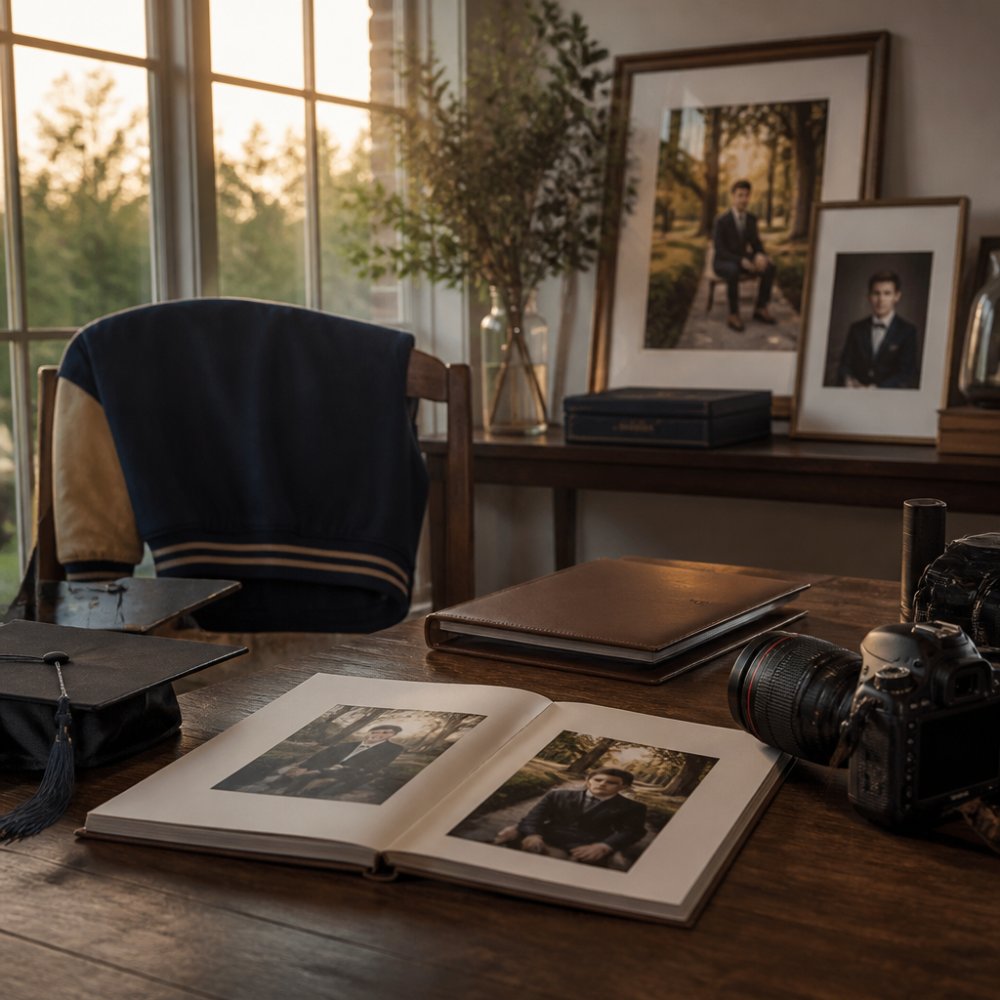
 how-to
How to Prepare for Senior Portrait Session
Table of Contents
- What to Wear for Senior Pictures
- Senior Portrait Session Checklist
- How Long Does a Senior Portrait Session Take
- Selecting Senior Portrait Locations
- Hair, Makeup, and Grooming Preparation
- What to Bring and Props That Matter
- Feeling Comfortable in Front of the Camera
- Weather, Scheduling, and Backup Plans
- What Happens After Your Senior Portrait Session
- Frequently Asked Questions
Last Updated: October 5, 2026
What to Wear for Senior Pictures
The outfit you choose sets the tone for your entire senior portrait session, which is why it's important to prepare for senior portrait session with intention. Your clothes should reflect who you are and make you feel confident standing in front of the camera.
At Swartz Portraits, we've worked with over 1,000 high school seniors to understand what works. The best approach is picking pieces that feel like you, not costumes that feel borrowed. Think about colors that make you feel good, styles that match your personality, and fabrics that move well when you're posing.
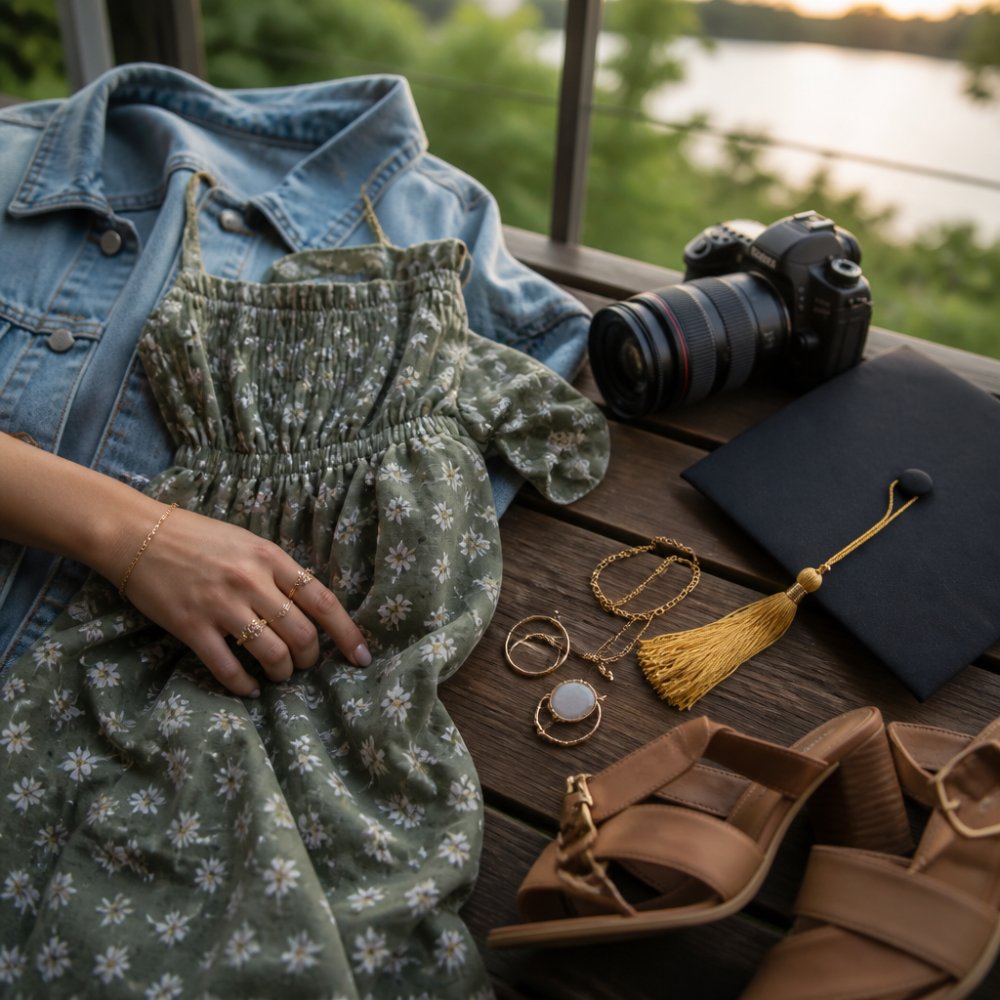
Choose Outfits That Reflect Your Style
Your senior portrait session is about capturing who you actually are. Wear clothes that make sense for your life. If you love vintage styles, lean into that. If you prefer modern minimalism, go that direction. The camera picks up on authenticity.
Solid colors and simple patterns photograph better than busy designs. Jewel tones, pastels, and earth tones all work well. Avoid neon or high-contrast stripes that can create visual noise. Fitted clothes generally look better than oversized pieces, but comfort matters too. You'll be posing for several hours, so choose fabrics that don't restrict movement.
Think about layering. A fitted tank with an open button-up over it gives you flexibility during your session. You can shed the outer layer between outfit changes or adjust your look without changing completely.
Plan Multiple Outfit Changes
Your senior portrait session includes unlimited outfit changes. Most seniors bring three to five complete looks. This variety gives you options and lets you express different sides of your personality.
Plan outfits that contrast with each other. If your first look is casual and neutral, your second might be dressier or bolder. If you wear jeans in one outfit, try something different in another. Think about how each outfit photographs against different backgrounds. A dark outfit pops against bright natural backgrounds. A light outfit works beautifully in shaded areas.
Bring one outfit that feels extra special. This might be a dress, a sharp blazer, or something that makes you feel powerful. This is the look you'll likely frame and hang on your wall.
Accessories and Shoes Matter
Accessories complete your look and add personality. Jewelry, hats, scarves, and belts all contribute to how you present yourself. Choose pieces that feel natural to wear. If you never wear hats, don't start during your session just because it seems like a good idea.
Shoes are more important than many people realize. Wear shoes you actually walk in. Uncomfortable shoes show in your posture and facial expression. If you're wearing heels, practice walking in them beforehand. Bring backup shoes if you're trying something new. Bare feet work well for some settings, especially if you're posing on grass or near water.
Consider how shoes coordinate with each outfit. Neutral shoes work with almost everything. Colored or patterned shoes can be a fun accent, but they need to match your overall look.
Senior Portrait Session Checklist
Preparing to prepare for senior portrait session works best as a countdown. Each task has a window where it does the most good. Miss the window and the fix costs more, shows more, or disappears entirely. Here is the sequence, from the day you reserve your session through the morning you walk in.
At Booking: The Decisions That Shape Everything
Reserve early. Swartz Portraits photographs 100 high school seniors per year and no more than 8 from any single high school. Class of 2027 families who wait until spring often find their school's slots gone.
Schedule the complimentary 60-minute in-home consultation. This is where you set the vision: locations, season, the version of yourself you want on the wall. Bring your questions. Bring your parent. Bring a phone full of saved images you love, even if you cannot explain why you love them.
Start a shared folder or album on your phone. Every time you see an outfit, a location, or a pose idea that feels like you, drop it in. By two weeks out, you will have a visual brief instead of a vague feeling.
Six to Eight Weeks Before: The Big Pieces
Book hair and makeup, if you are using it. For a session that runs up to five hours with unlimited outfit changes, you want a look that holds. Schedule the appointment for the morning of your session so nothing has time to fall flat.
Order or borrow anything you need to buy. A dress that ships in three weeks is a problem at two weeks out. Shoes, jewelry, a jacket, a hat: buy now, break in later.
Decide on props. An instrument, a letterman jacket, a book you love, a pet. Anything that needs to be cleaned, tuned, or transported gets handled now, not the night before.
Two Weeks Before: The Try-On
Pull every outfit into one place. Try each complete look head to toe, including shoes and accessories. Take a full-length photo in each. The camera on your phone is honest in a way the mirror is not.
Cut the looks that do not work. A color that photographs muddy, a waistband that digs, a jacket that only looks right when you stand perfectly still. Three to five looks that all work beat seven that half work.
Get the haircut. Two weeks gives a fresh cut time to soften. Color goes in this window too, so it settles before the session.
Check the forecast. Not to cancel, but to plan. Rain, wind, and heat all have workarounds, and knowing early lets you pack for them.
One Week Before: The Confirmations
Confirm your session time, meeting point, and location list with Swartz Portraits. Know the drive time, and add a buffer for traffic.
Steam or press everything. Hang each look on its own hanger. Wrinkles that look minor in the closet read loud on camera.
Test your shoes. Walk around the house in anything new. Heels you have never worn will change how you stand, and that shows in every frame.
Pack the bag. One bag, everything in it: garment bag, shoes, accessories, touch-up kit, hair ties, water, snacks, lint roller. Do this a week early and you will not be hunting for a missing earring at 6 a.m.
The Day Before: Protect the Investment
Hydrate. Skin looks better when it is not thirsty. Skip the salty dinner and the late night.
Wash and dry your hair the way you normally do. Do not experiment with a new product the night before.
Skip facials, waxing, and any new skincare. If you wax or shave, do it today so any redness fades overnight.
Charge your phone. Set two alarms. Lay out your first outfit so the morning is calm.
Session Day: What to Actually Do
Eat a real breakfast. Five hours is a long time to run on nothing.
Arrive with clean, dry hair and a bare or freshly moisturized face, unless your hair and makeup artist is meeting you.
Wear loose clothing to the session so nothing leaves marks on your skin. A tight waistband or bra strap can take an hour to fade.
Bring the bag. Bring the props. Bring the backup shoes. Bring a parent or a friend if having someone there helps you relax.
A Note on Accessibility and Sensory Needs
If you have mobility needs, sensory sensitivities, or a medical condition that affects a long session, say so at the consultation. Five hours with unlimited outfit changes can be paced around breaks, quieter locations, and seated poses. A Master Photographer who knows ahead of time can build the day around you instead of adjusting on the fly. There is no version of this that requires you to push through discomfort to get good portraits.
How Long Does a Senior Portrait Session Take
A senior portrait session with Swartz Portraits lasts up to five hours. This unhurried timeframe is the foundation of the experience. You're not being rushed through poses or squeezed between other appointments.
Five hours lets you relax into the process. The first hour often feels awkward as you get used to being in front of the camera. By hour two, you're comfortable. By hour three and beyond, you're genuinely yourself. That's when the best photos happen.
During those hours, you'll change outfits multiple times, visit different locations, and try various poses and prompts. Your Master Photographer guides you through the process, showing you how to stand, where to look, and how to move naturally. You're not posing stiffly. You're walking, laughing, thinking, and being yourself while the camera captures real moments. These authentic interactions form the foundation of a successful session, and refining your approach before the day arrives is essential for anyone consulting our professional photoshoot guide.
The length of the session matters because senior portraits are about discovering who you are on camera, not just documenting how you look. That discovery takes time.
Selecting Senior Portrait Locations
Where you take your portraits shapes the entire look and feel of your images. The background matters as much as your outfit.
Meaningful Locations Tell Your Story
Choose locations that mean something to you. If you love being outdoors, natural settings work best. If you're artistic or creative, look for interesting architectural backgrounds. If you're athletic, think about settings that reflect that part of your life.
Real locations beat generic studio backdrops. Lake Conroe, The Woodlands Waterway, Market Street, Old Town Spring, Mercer Botanic Gardens, and Towne Lake all offer beautiful natural and urban settings. Each has its own character and light.
Bring ideas about places you love. During your free in-home consultation with Swartz Portraits, discuss location options. Your Master Photographer knows which settings work best for different looks and can suggest places that match your vision.
Natural Light and Clean Backgrounds
The best light for senior portraits is natural light. Early morning and late afternoon offer soft, flattering light. Midday sun creates harsh shadows, so if your session is scheduled midday, shaded areas work better.
Look for clean backgrounds. Trees, water, brick walls, and open fields all work well. Busy backgrounds with signs, cars, or clutter distract from your face. The goal is to draw attention to you, not the scenery behind you.
Avoid locations with too much visual competition. A beautiful sunset is great, but if there are power lines or distracting elements in the frame, it pulls focus. Your Master Photographer knows how to position you and frame shots to minimize distractions.
Hair, Makeup, and Grooming Preparation
How you prepare your hair and makeup affects how comfortable you feel during your session.
If you wear makeup normally, wear it during your session. The camera picks up on what's authentic to you. If you don't wear makeup, don't start now. Natural skin looks fresh and youthful on camera.
For hair, choose a style you can maintain for several hours. If you're trying a new hairstyle, test it beforehand. Updos can feel tight after a while. Loose waves or down styles give you flexibility to adjust without looking messy.
Get a haircut at least two weeks before your session. Fresh cuts look obvious and sometimes feel stiff. Two weeks lets your hair settle and look natural. If you're coloring your hair, do that a week or two before so the color looks rich and settled.
Avoid major grooming changes the day of your session. Don't get a facial, wax, or other treatment that might irritate your skin. If you shave or wax, do it the day before so any redness fades.
On the day of your session, shower and wash your hair. Clean hair looks better and feels better. If you have oily skin, a light powder helps, but avoid heavy foundation that can look cakey on camera.
What to Bring and Props That Matter
Bring your outfits in a garment bag or careful packing to prevent wrinkles. Bring water to stay hydrated throughout the session. Bring any props or meaningful items that tell your story.
Props work best when they're authentic to your life. If you play an instrument, bring it. If you have a beloved pet, include it. If you love a particular sport or hobby, props related to that can add personality. Flowers, hats, jackets, and meaningful objects all work well.
Avoid props that feel forced. A guitar looks natural if you actually play. A baseball bat looks awkward if you've never held one seriously. The best props are things you'd naturally have with you.
Bring a change of shoes if you're trying something new. Bring a hair tie if you might want to change your hairstyle between outfits. Bring anything that helps you feel more confident and comfortable.
Feeling Comfortable in Front of the Camera
Comfort in front of the camera comes from preparation and trust. When you've planned your outfits, chosen meaningful locations, and prepared yourself physically, you show up ready. That readiness translates into confidence on camera.
Your Master Photographer's role is to guide you and make you feel at ease. This isn't a quick session where you're trying to smile on command. You have time to settle in, to laugh, to relax. The best senior portraits capture you being yourself, not performing.
Think about what makes you comfortable. If you're shy, knowing you have five hours takes pressure off. If you're energetic, you have space to move and express that energy. If you're thoughtful and introspective, quiet moments work beautifully.
During your free in-home consultation, talk about any concerns. If you're nervous about posing, your Master Photographer can show you what to expect. If you have specific requests or preferences, discuss them. The more your photographer knows about you, the better they can guide the session.
Weather, Scheduling, and Backup Plans
Weather happens. Rain, extreme heat, or unexpected conditions might affect your session.
Schedule your session during a season that feels good to you. Spring and fall offer mild temperatures and beautiful natural light. Summer heat can be intense, but early morning or late afternoon sessions work well. Winter offers crisp light and fewer crowds at outdoor locations.
If rain is predicted, have a backup plan. Indoor locations like Market Street or covered areas work well. Your Master Photographer knows options that work in different weather. Discuss contingencies during your consultation.
If you get sick or something unexpected happens, communicate early. Rescheduling is part of the process. It's better to postpone and show up feeling good than to push through when you're not at your best.
Plan your session timing carefully. Avoid scheduling right before major deadlines or stressful events. You want to feel present and relaxed during your session, not distracted by what's coming next.
What Happens After Your Senior Portrait Session
After your session ends, the work continues. Your Master Photographer reviews every image from the day, selects the strongest frames, and refines them. This is not a quick digital sort. It is a slow pass through hundreds of images to find the ones that actually look like you.
The Private Reveal, Seven to Ten Days Later
Seven to ten days after your session, you return for your private reveal. You see your high school senior portraits for the first time in person, not on a phone screen. You sit with your Master Photographer and your parents, and you talk through which images tell your story best.
Seeing portraits at full size changes the conversation. An image that looks ordinary on a screen can stop a room when it is printed large. This is why the reveal happens in person.
What You Receive
From the reveal, you receive high-resolution files of every portrait from your session. These files are yours. You can print them, post them, text them to grandparents, and use them for graduation announcements and thank-you cards.
If you want museum-quality prints, albums, or wall art, your Master Photographer walks you through the options. The heirloom pieces are handcrafted in Italy by GraphiStudio, built to be handled and displayed, not stored in a drawer. These are not mass-produced prints. They are keepsakes designed to outlast the trend cycle.
Image Use, Privacy, and Sharing
This is the part most families do not think about until after the session, and it is worth deciding before. Before your reveal, tell your Master Photographer how you want your portraits used.
A few questions to answer for yourself:
- May the studio show your portraits in its portfolio, on its website, or on social media?
- May your school use them in a senior tribute or graduation program?
- Do you want your name attached to the images, or images only?
- Are there any images you want kept private, even from family?
There is no wrong answer. Some seniors want their faces everywhere. Some want a small, controlled circle. Both are fine, and both are easier to honor when the studio knows your preference before the reveal, not after.
If you plan to post your portraits yourself, decide on timing. Many families wait until after graduation announcements go out. Others post the day of the reveal. Either works. Just decide together so no one spoils the surprise.
Backup Plans for Weather, Illness, and Delays
If weather turns, if someone gets sick, or if something unexpected lands on your session date, say something early. Rescheduling is part of the process, not a failure of it. A session shot when you feel good will always beat a session pushed through when you do not.
Build a cushion into your calendar. Do not schedule your session the week of a major deadline, a big game, or a family trip. You want to arrive present, not distracted by what is next.
Why This Part Matters
Your high school senior portraits become part of your family's story. They document who you were at this exact moment, before the next chapter starts. Years from now, you will look at these images and remember not just how you looked, but who you were.
That is why the reveal, the files, the prints, and the permissions all matter. They are how the day becomes something you keep.
Frequently Asked Questions
How many outfits should I plan for a senior portrait session?
Plan for 3 to 5 outfit changes. Since your senior portrait session allows unlimited outfit changes, you can show different facets of your personal style. Bring options that range from casual to slightly dressy so your final portraits capture the real you across different looks. More outfits give you greater variety in your final portrait collection.
What should you bring to a senior portrait session?
Bring all outfit changes, shoes, and accessories you plan to wear. Pack meaningful props like a musical instrument, sports equipment, or items that represent your interests. Include any personal items that tell your story. A small cooler with water and snacks keeps energy up during your session.
When should you schedule senior portraits before graduation?
Schedule your senior portrait session at least 3 to 4 months before your graduation or yearbook submission deadline. This timeline gives you time to plan outfits, book your preferred dates, and receive your proofs well before any final deadlines. Early scheduling ensures you have your heirloom portraits ready for graduation announcements and yearbook submissions without last-minute stress.
What is the best way to feel more comfortable in front of the camera?
Wear outfits that make you feel confident and like yourself. Practice posing and walking beforehand so you feel less self-conscious during the session. Communicate with your photographer about any nerves or preferences during your initial consultation. The personalized approach of a fine art senior portrait session is designed to help you relax and show your genuine personality, not force you into uncomfortable poses.