 How-to
How Can Shy High School Seniors Feel Comfortable?
Last Updated: November 17, 2026
Quick Summary
Shy high school seniors feel more comfortable when the session is planned around them, with a familiar location, a time of day when they have energy, and room for breaks. Practicing a few relaxed poses at home and telling the photographer what helps them relax also make a big difference.
- Pick a time of day when your senior has energy and a place they already know.
- Choose two or three outfits they already love wearing, and avoid anything new.
- Practice three relaxed poses in a mirror for ten minutes, twice.
- Tell your photographer which topics make you comfortable and whether you want frequent breaks.
- Replace 'Smile for the camera' with calm, encouraging words, and let your senior choose outfits and poses where possible.
Table of Contents
- Why Shy High School Seniors Find Portraits Hard
- Step 1: Plan the Session Around the Senior
- Step 2: Choose Clothing That Feels Like You
- Step 3: Practice Simple Senior Picture Poses
- Step 4: Tell Your Photographer What Helps You Relax
- Step 5: Build Confidence Before the Camera Comes Out
- How Long a Senior Portrait Session Takes
- How Parents Can Support a Shy Senior
- Schedule Your Free Senior Portrait Consultation Before Your Class Fills
- Frequently Asked Questions
Why Shy High School Seniors Find Portraits Hard
A shy senior often feels that a camera is watching every move, and many shy high school seniors feel this most during their first session. That feeling is normal, and it does not mean the session will fail. Many high school seniors who describe themselves as shy relax once they know what to expect and who is behind the lens.
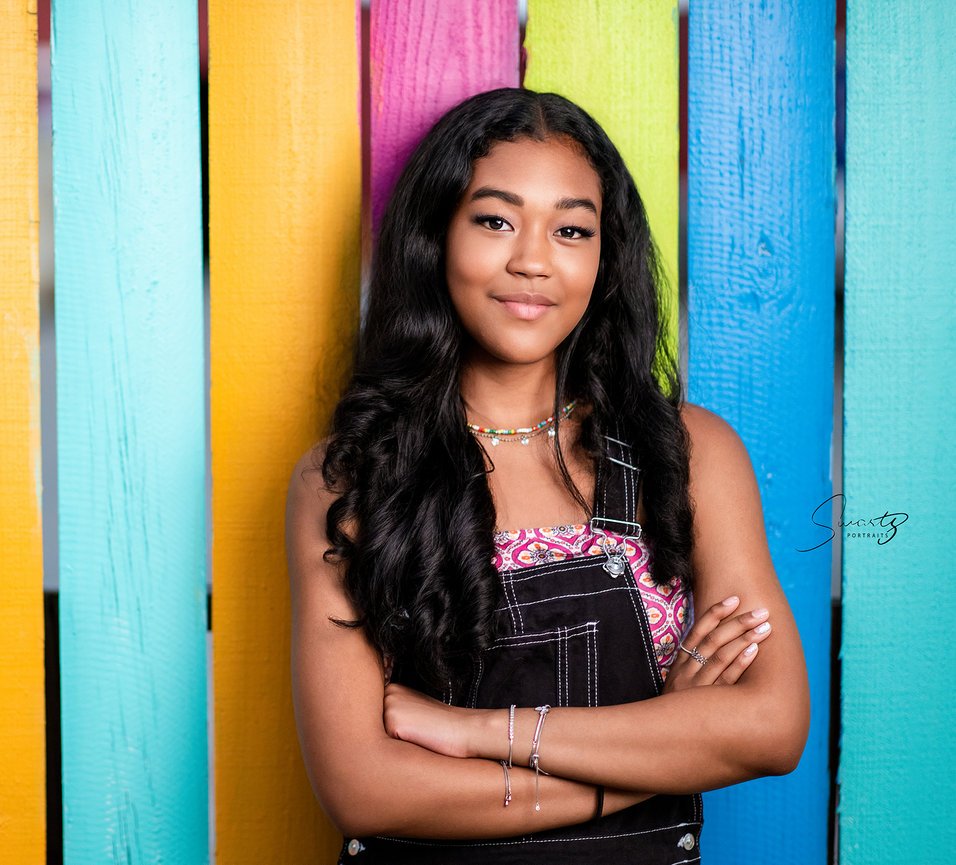
Shyness in young people is well studied. Researchers have looked at how shyness connects to learning and to social anxiety in teens. A 2018 study of shyness and learning adjustment in senior high school students. The research points to one clear idea: anxiety shapes how comfortable a student feels in new situations, and comfort can be built step by step.
At Swartz Portraits, the senior session is built around the student, not a rigid script. Below are five steps that help a shy senior feel at ease before, during, and after the shoot.
Step 1: Plan the Session Around the Senior
Start with the senior's comfort, not the calendar. A quiet student often does best with a morning session, a familiar location, and time to settle in.
- Pick a time of day when your senior has energy
- Choose a place they already know, such as a favorite park or street
- Leave room in the schedule for breaks
A complimentary 60-minute in-home consultation lets your senior meet the photographer before the session day.
Step 2: Choose Clothing That Feels Like You
Clothing that feels natural helps a shy senior forget about the camera. When your senior is comfortable in what they wear, the portraits look more like them.
- Pick two or three outfits they already love wearing, and use the free senior style guide to plan looks that show who they really are., and see how to choose outfits that feel like you for more guidance.
- Choose one bold piece and one simple piece
- Avoid anything new that they have not worn before
Step 3: Practice Simple Senior Picture Poses
Practicing a few poses at home removes much of the guesswork. A relaxed pose looks better than a stiff one, and shy seniors often find a simple stance easiest.
- Stand with weight on one leg
- Hold a book, a bag, or a favorite object
- Look slightly off camera and breathe
Practice in a mirror for ten minutes before the session. You can also review simple natural poses for senior photos to try before the shoot.
Step 4: Tell Your Photographer What Helps You Relax
Your photographer cannot read your mind. Speak up early about what helps you feel calm, and what makes you tense.
Some seniors want quiet direction with few instructions. Others prefer light conversation about school, music, or plans after graduation. Tell the photographer which style fits you best.
Share these details before the shoot:
- Topics that make you comfortable, and topics to avoid
- Whether you like frequent breaks
- Any places or activities that feel personal to you
Honest feedback is part of the process. A good photographer adjusts the pace when a senior needs it.
Step 5: Build Confidence Before the Camera Comes Out
Confidence grows with preparation, and senior year gives a shy student a natural runway. Use the weeks before the session to build comfort in small, measurable steps rather than one big push. The goal is not to become outgoing. The goal is to feel like yourself in front of the camera.
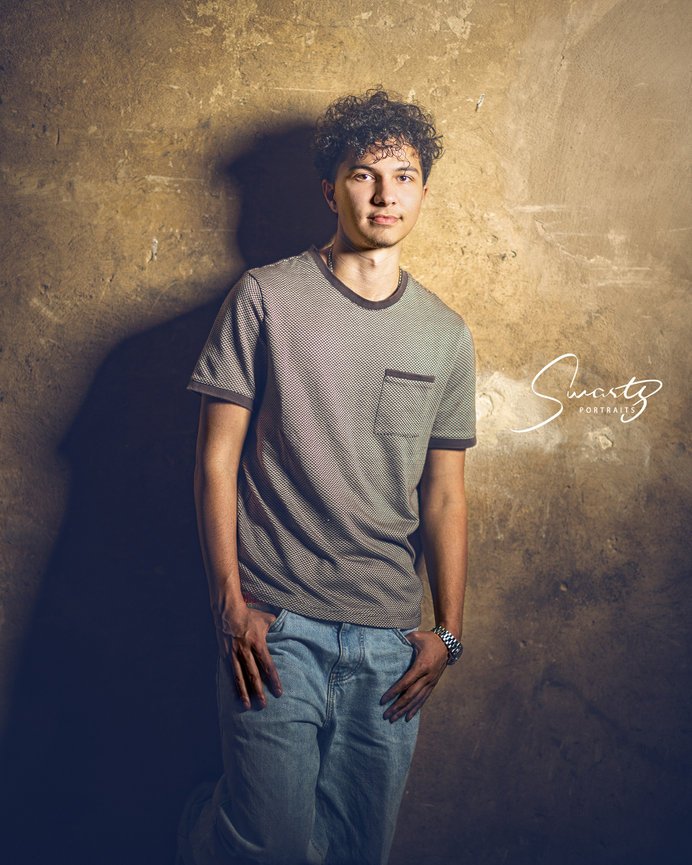
A simple four-week plan works well for most Class of 2027 seniors:
- Week one: Pick two or three outfits you already love and wear each one around the house for an hour. Notice how you move in them.
- Week two: Practice three relaxed poses in a mirror for ten minutes, twice. Stand with weight on one leg, hold a favorite object, and look slightly off camera.
- Week three: Ask a friend or sibling to take a few phone photos in natural light. Review them together and name one thing you like about each.
- Week four: Walk the session location with a parent, such as Lake Conroe, The Woodlands Waterway, or Old Town Spring, so the setting feels familiar on the day.
Pair the plan with a few practical habits. Get a good night's sleep and eat a normal breakfast. Plan one thing you look forward to after the session, whether that is a meal with your family or time with friends.
Senior year also brings events that test a shy student's comfort: homecoming, prom, senior activities, and graduation. The same small-steps approach applies. Arrive early to a dance so the room is quieter. Agree on a meeting spot with a friend. Take group photos before the crowd builds. These choices lower the pressure and let you enjoy the night.
Digital communication can bridge the gap between in-person moments. If you meet someone new at a senior event, send a short follow-up text the next day. A simple line like "Good to see you last night" keeps the connection alive without requiring a long conversation. Group chats for senior activities are also a low-pressure way to stay included.
Watch out: if shyness turns into distress that interferes with daily life, such as skipping school, avoiding friends for weeks, or feeling unable to function, that is beyond ordinary shyness. Talk with a parent, a school counselor, or a trusted adult about additional support. If you are also finding it hard to feel at ease in front of others, practicing small steps at your own pace can help, and posing tips for non-professional models may offer ideas for feeling more relaxed in front of a camera.
Think of the session as a conversation with the camera, not a test. Many seniors find that the first ten minutes are the hardest, and that ease arrives once the shooting begins.
The four-week plan below breaks confidence-building into small, measurable steps before the session.
| Week | What to do | Time |
|---|---|---|
| Week one | Wear two or three favorite outfits around the house | One hour |
| Week two | Practice three relaxed poses in a mirror | Ten minutes, twice |
| Week three | Take phone photos in natural light and review them together | Few photos, name one thing you like |
| Week four | Walk the session location with a parent | Before session day |
How Long a Senior Portrait Session Takes
Our sessions run up to five hours, with unlimited outfit changes and multiple locations.
The session length can be shaped around your senior's energy, with breaks whenever they are needed.
How Parents Can Support a Shy Senior
Parents play a quiet but important role in a shy senior's portrait experience. Your senior will take cues from you, so calm and encouraging words help more than any pose tip. The most useful support is specific and steady.
Start with language. Replace "Smile for the camera" with "You know what you like, and we will find what feels right." Replace "Hurry up" with "Take the time you need." These small shifts signal that the session is about your senior, not about performing for an audience.
A few practical habits help:
- Let your senior choose outfits and poses where possible. Control lowers anxiety.
- Avoid pushing for a smile on command. A relaxed expression reads better than a forced one.
- Stay present but step back once the shoot begins. Your senior should feel supported, not watched.
- Keep the schedule light on session day. A rushed morning adds tension that shows in the portraits.
Senior year adds pressure that general advice overlooks. College applications, schoolwork, and senior events compete for time and energy. A shy senior may feel stretched thin. Protect the session day by clearing the calendar and treating it as a milestone rather than one more task.
Group photos at senior events can be another source of stress. Help your senior plan ahead: agree on a meeting spot, arrive early, and take photos before the crowd builds. A parent who scouts the location in advance gives a shy senior one less unknown to manage.
Watch out: if your senior seems consistently distressed rather than simply quiet, such as avoiding friends for weeks or feeling unable to function, that is beyond ordinary shyness. A school counselor or trusted adult can offer additional support.
Schedule Your Free Senior Portrait Consultation Before Your Class Fills
Swartz Portraits photographs 100 seniors per year, with no more than 8 from any single high school.
Schedule your free in-home consultation.
Frequently Asked Questions
How can shy high school seniors feel more comfortable during senior portraits?
Shy seniors feel more at ease when the session is unhurried and the plan is clear before the camera comes out. Start with a complimentary 60-minute in-home consultation to meet the photographer and talk through the session. Choose outfits that feel like you, practice a few simple poses in advance, and let the session run at your pace. Up to five hours of session time means there is room to take breaks, change outfits, and move between locations without rushing.
What should I tell my photographer before a senior portrait session?
Tell your photographer if you are nervous, what makes you comfortable, and which styles or places feel most like you. Mention favorite activities, music, or hobbies that can help shape the shoot. If you prefer to move naturally rather than hold formal poses, say so. A Master Photographer can use these details to guide the session so it reflects who you really are rather than how you are expected to look.
How long does a senior portrait session usually take?
A senior portrait session at Swartz Portraits can last up to five hours, with unlimited outfit changes and multiple locations. The unhurried pace means you are not rushed between looks or settings. Parents should plan for the full block of time, though the session is shaped around the senior's comfort rather than a fixed clock. The 60-minute in-home consultation happens separately and comes before the session.
How can parents help a shy senior feel comfortable during portraits?
Parents can help most by keeping the mood calm and letting the senior lead decisions about outfits and locations. Avoid overprotecting or repeatedly coaching during the session. Arrive with a plan and a few options, and allow time for the senior to warm up. Small encouragements, such as noting one thing the senior likes about a look, build confidence without adding pressure.