 how-to
Planning Senior Portraits for Juniors: A Timeline
Table of Contents
- Why Juniors Should Plan Senior Portraits Early
- Senior Portrait Planning Timeline: From Junior Year Through Graduation
- What to Wear for Senior Pictures: Building Your Portrait Wardrobe
- Choosing Your Portrait Location and Style
- Preparing for Your Session: The Senior Portrait Session Checklist
- Understanding Poses, Expressions, and Natural Light
- Incorporating Your Hobbies, Sports, and Interests
- The Consultation Process and Setting Expectations
- Frequently Asked Questions
Last Updated: October 12, 2026
Why Juniors Should Plan Senior Portraits Early
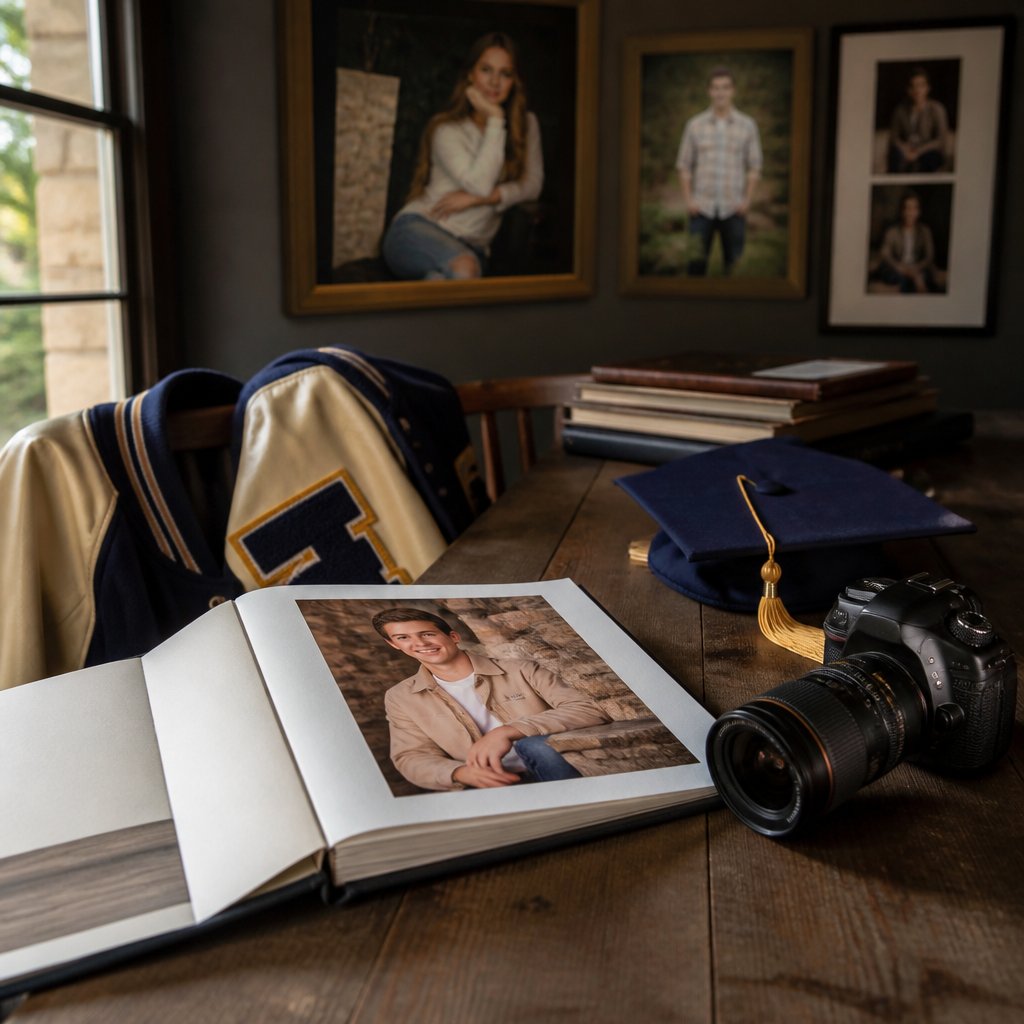
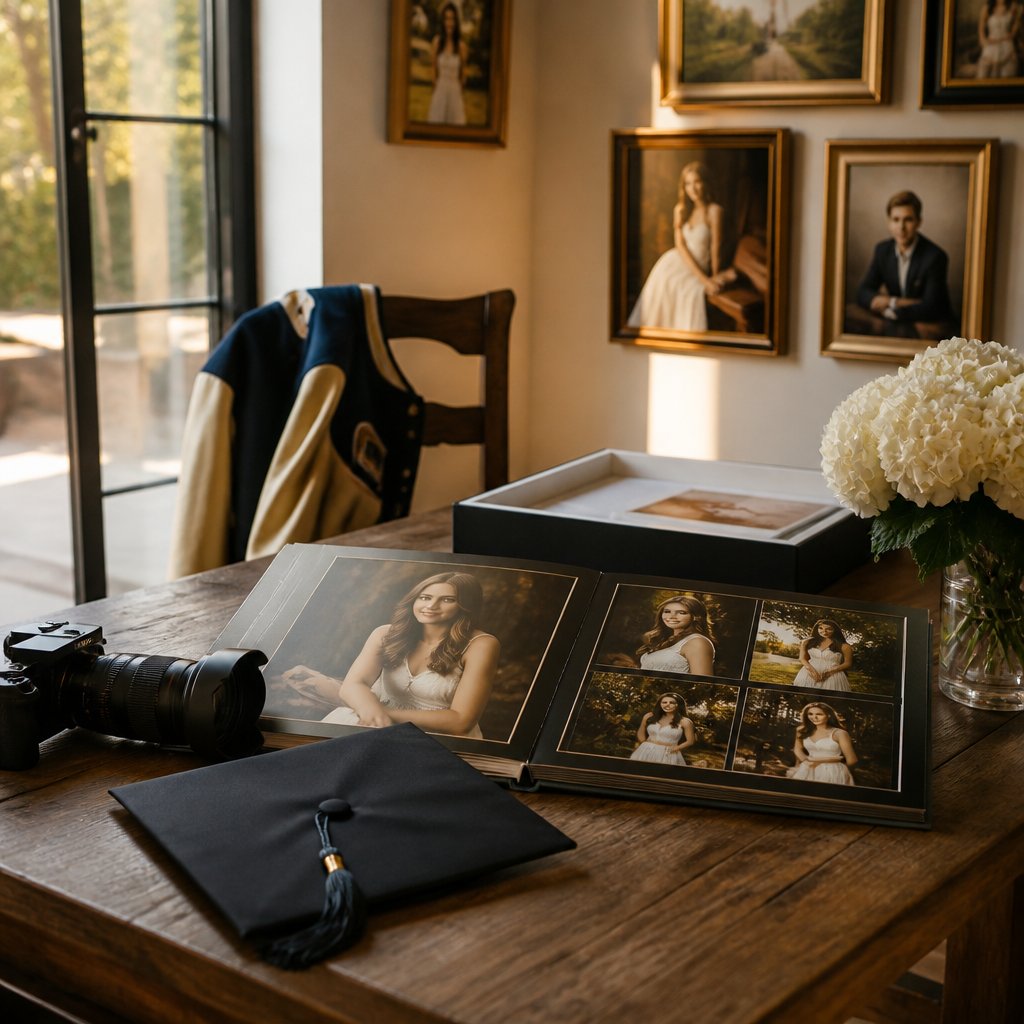
Planning senior portraits for juniors gives you months to prepare instead of scrambling weeks before graduation. Starting in junior year means you control the timeline, choose your locations thoughtfully, and build a wardrobe that actually reflects who you are.
Most families wait until senior year. By then, schedules tighten, weather becomes unpredictable, and the best photographers book up fast. Juniors who plan ahead avoid that rush.
At Swartz Portraits, we've worked with families who started planning in junior year. They consistently report less stress and more authentic results because they had time to think through every detail. Your portrait session captures a moment in time. That moment deserves intention.
Starting now also means you can test ideas. Try different outfits through the school year. Visit potential shoot locations. Gather inspiration for poses and styling. By the time your session arrives, you'll know exactly what you want.
Senior Portrait Planning Timeline: From Junior Year Through Graduation
The single most useful fact about this timeline: the best studios fill their senior calendar months in advance, so the real deadline is not graduation, it is the previous winter. Work backward from that and junior year stops feeling early.
Here is the sequence that keeps a Class of 2027 senior out of the summer rush.
Junior Year: Winter (December-February)
- Start looking at portfolios. Judge a studio by whether its seniors look like distinct individuals or like the same pose in different shirts.
- Ask how many seniors a studio photographs per year. A studio that caps its calendar protects its quality.
- Ask whether the studio is application-only.
- Narrow your list to two or three studios and request consultations.
Junior Year: Spring (March-May)
- Attend the consultations. This is the decision month for most families.
- Ask each studio four questions: How long is the session? How many outfit changes? When and how are proofs revealed? What happens if it rains?
- Ask about print rights and digital files in writing.
- Reserve your session date. Spring of junior year is when fall and winter senior dates disappear.
- If the studio is application-only, complete the application now rather than in senior year.
Junior Year: Summer (June-August)
- Scout locations in person, at the hour you would actually shoot. Light at 4 p.m. in July is not light at 4 p.m. in October.
- Build outfit ideas around what you already own and wear. Buy one or two anchor pieces, not a whole new wardrobe.
- Practice hair and makeup on a normal day, not just before an event. You want to know how it holds up over several hours.
- Gather props that are genuinely yours: an instrument, a letterman jacket, a sketchbook, a well-worn pair of boots.
Junior Year: Fall (September-November)
- Assemble the full wardrobe and try every outfit head to toe, shoes included.
- Confirm custom elements: letterman jacket arrival dates, uniform availability, instrument condition.
- Reconfirm your session date and ask about the studio's reschedule policy in writing.
- Book hair and makeup if you are using a stylist, since fall weekends book out.
Senior Year: Winter (December-February)
- Final wardrobe check. Anything that no longer fits gets replaced now, not the week of.
- Review the shot list with your photographer. Name the three portraits you would be disappointed to leave without.
- Confirm the proof reveal date so your family can plan to be together for it.
Senior Year: Spring (March-May)
- Hold the session.
- Attend the in-person proof reveal.
- Select images for wall art, albums, and gifts.
- Place print and album orders with enough lead time for graduation.
Ask every studio one question before you commit: how many seniors do you photograph each year, and how many from my high school?
College Board timeline for junior year milestones
What to Wear for Senior Pictures: Building Your Portrait Wardrobe
Your wardrobe makes or breaks your senior portraits. What you wear should feel like you, not like a costume. The goal is clothes that make you feel confident and comfortable.
Start by identifying your personal style. Are you classic and polished? Casual and relaxed? Creative and bold? Your portraits should reflect that authenticity. Clothes that don't match your actual personality will show in your expressions and posture.
Choose a color palette that complements your skin tone. Jewel tones, earth tones, pastels, and neutrals all work depending on what flatters you. Avoid busy patterns that distract from your face. Solid colors and subtle textures photograph better than loud prints.
Fit matters more than brand. Clothes should fit your body well without being too tight or too loose. When you feel physically comfortable, you relax in front of the camera.
Plan for multiple outfit changes. Most sessions include different looks. This gives you variety in your final portraits and lets you show different sides of your personality.
Senior Picture Outfit Ideas That Show Your Personality
Build outfits around these core concepts:
Classic and Polished
- Fitted blazer with a simple top and tailored pants or skirt
- Structured dress with a cardigan
- White button-up shirt with dark jeans and a belt
Casual and Comfortable
- Your favorite jeans with a nice sweater or graphic tee
- Shorts or pants with a linen shirt or lightweight top
- Denim jacket over a simple dress or top
Creative and Bold
- Vintage or thrifted pieces that tell a story
- Coordinated separates in unexpected color combinations
- Pieces that reflect your hobbies or interests
Sporty or Active
- Athletic wear styled for portraits (not workout clothes)
- Team jersey styled with nice pants or a skirt
- Activewear that feels like you, not like gym clothes
For each outfit, plan accessories that add personality. A watch, necklace, or rings can make a simple outfit feel more intentional. Avoid anything that jingles or moves too much during the session.
Think about layering. A jacket, cardigan, or flannel can transform an outfit and give you options if the weather changes. Layers also add visual interest to your portraits.
Choose one outfit that makes you feel most like yourself. That comfort translates into genuine expressions and better photographs.
Choosing Your Portrait Location and Style
Location is not a backdrop. It is the first decision that determines whether your portraits look like everyone else's or like yours. Choose it the way you would choose an outfit: by what it says about you.
Start with the feeling, then find the place.
Ask three questions before you look at a single location:
- What do I want these portraits to feel like in twenty years? Timeless, editorial, warm, moody, playful?
- Where do I actually spend time? A location you have never visited photographs like a stranger's backyard.
- What does my wardrobe need? Busy backgrounds fight patterned outfits. Clean backgrounds let bold clothing lead. Coordinating your accessories with the chosen backdrop remains the final step in refining your outfit selection guide to ensure every detail complements the overall aesthetic.
Real locations, and what each one does well.
- Lake Conroe. Water, open sky, and long sightlines. Best for wide, cinematic portraits and sunset light. Wind is a factor, so plan hair accordingly.
- The Woodlands Waterway. Water features, walkways, and architecture in one walkable stretch. Best for seniors who want variety without driving between spots.
- Market Street. Polished storefronts, clean lines, and evening light. Best for a modern, editorial look.
- Old Town Spring. Historic storefronts, texture, and color. Best for vintage, nostalgic, or personality-driven portraits.
- Mercer Botanic Gardens. Gardens, paths, and seasonal color. Best for soft, natural, romantic portraits. Bloom timing varies by month, so scout before you commit.
- Towne Lake. Waterfront boardwalks and open sky. Best for relaxed, golden-hour portraits.
How to evaluate any location in ten minutes.
- Go at the hour you would shoot. Morning and late afternoon light are not interchangeable.
- Check the background at eye level, not at ground level. What is behind your head matters more than what is under your feet.
- Look for shade you can step into. A location with no shade is a location with no plan B.
- Count the walking distance between your two or three favorite spots. Long walks eat session time and flatten energy.
- Check parking and restroom access. Outfit changes need both.
Outdoor versus studio.
Outdoor portraits trade control for atmosphere. You get real light, real seasons, and real texture, and you accept weather, crowds, and timing as part of the deal. Studio portraits trade atmosphere for control. Light, temperature, and background are consistent, which makes them reliable for wardrobe changes and for seniors who feel more comfortable in a quiet room. Many seniors do both in a single session, which is why a session built around multiple locations and unlimited outfit changes produces a wider range of final images.
Weather and rescheduling.
In this part of Texas, the two real risks are summer heat and afternoon storms. Plan around them rather than hoping.
- Book outdoor sessions for early morning or the last two hours before sunset. Midday summer light is harsh and unflattering, and the heat shows in expressions.
- Treat a 40 percent or higher chance of rain as a reschedule signal, not a gamble.
- Ask about the reschedule policy before you book, and get it in writing.
- Keep one indoor or covered option in your back pocket. A covered walkway or a studio segment can save a session that weather would otherwise cancel.
- In summer, build in breaks and water. A five-hour session in July needs pacing.
Preparing for Your Session: The Senior Portrait Session Checklist
Preparation the week before your session reduces stress and helps you perform better in front of the camera.
One Week Before
- Confirm your session time and location with your photographer
- Check the weather forecast and plan accordingly
- Prepare all outfits and try them on completely (shoes included)
- Get a haircut or style if you're planning changes
- Lay out accessories and props you're bringing
Two Days Before
- Do a trial run of your hair and makeup if you're trying something new
- Charge your phone and any devices you're bringing
- Get good sleep
- Eat normally and stay hydrated
Day Of
- Eat a light breakfast or lunch before your session
- Arrive with clean hair and minimal makeup (if you're doing makeup at the session)
- Bring all outfits, shoes, and accessories organized and ready to change into
- Leave time to travel without rushing
- Bring water and snacks for energy during a longer session
During the Session
- Listen to your photographer's guidance on posing and positioning
- Take breaks if you need them
- Change outfits in a private space if one is available
- Ask questions if you're unsure about anything
- Move naturally and let your personality show
After the Session
- Ask when you'll see proofs
- Clarify next steps for selecting and ordering prints
- Thank your photographer
| Preparation Phase | Action | Timeline |
|---|---|---|
| Planning | Research photographers, schedule consultation | Junior year spring |
| Wardrobe | Build outfits, test combinations, gather accessories | Junior year summer-fall |
| Location | Scout locations, discuss options with photographer | Junior year fall |
| Final prep | Confirm details, prepare outfits, do trial hair/makeup | One week before |
| Session day | Arrive early, bring all items, stay relaxed | Session date |
Understanding Poses, Expressions, and Natural Light
Good posing looks natural, not stiff. The best portraits capture you looking like yourself, not like you're holding a pose.
Posing Basics
Avoid standing straight-on to the camera. Turn your shoulders slightly. This creates dimension and flatters most body types. Keep your chin level or slightly forward. Tilting your head slightly creates a more engaging angle.
Your hands need purpose. Put them in your pockets, cross your arms loosely, hold an object, or rest them naturally at your sides. Hands that dangle awkwardly show in photographs.
Relax your shoulders. Tension in your shoulders reads as stiffness. Take a breath and let them drop naturally.
Natural Expressions
The best expressions come from genuine feeling, not forced smiles. Think about something that makes you happy or content. Let that feeling show on your face naturally.
Practice different expressions in the mirror before your session. A genuine smile looks different from a camera smile. A contemplative expression, a laughing expression, and a confident expression all tell different stories.
Your eyes matter most. Engaged eyes make a portrait come alive. Look slightly above the camera lens or at your photographer. This creates a more natural gaze than staring directly into the lens.
Natural light creates the most flattering portraits. Golden hour (early morning or late afternoon) produces warm, soft light that's forgiving and beautiful.
Overcast days work well too. Clouds diffuse sunlight and eliminate harsh shadows. You won't squint, and your skin tones look even.
Avoid harsh midday sun when possible. It creates unflattering shadows under your eyes and nose. If your session happens in midday, find shade or ask your photographer about timing adjustments.
Position yourself so light hits your face from the front or side, not from behind. Backlighting can work for artistic shots, but front or side lighting is more flattering for traditional portraits.
Squinting ruins expressions. If you're uncomfortable with the light, ask to move or wait for clouds. A few minutes of repositioning beats portraits where you're squinting.
Incorporating Your Hobbies, Sports, and Interests
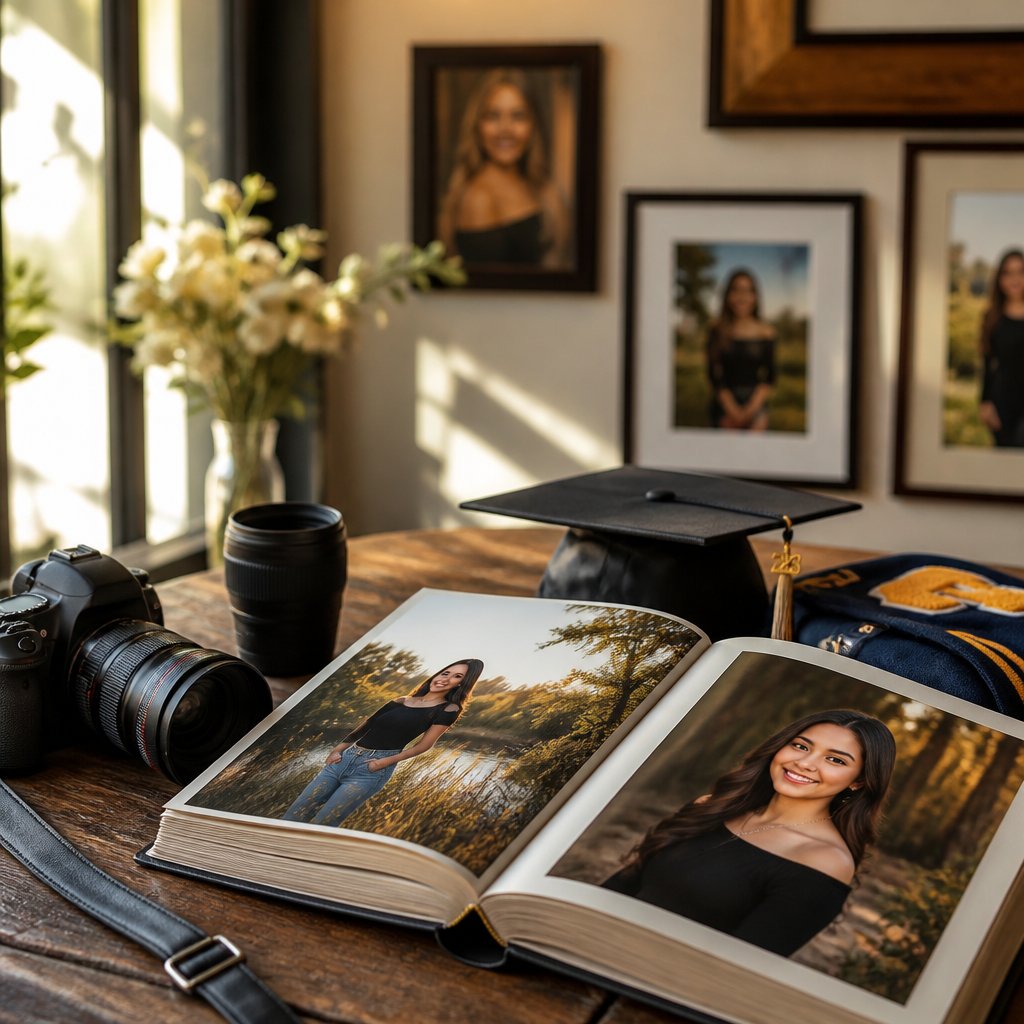
Your portraits should tell your story. Including elements that represent your interests makes them more meaningful and personal.
Think about what matters to you. Do you play a sport? Are you in band or choir? Do you have a hobby or passion project? Do you love a particular activity or spend time with your pet?
Sports and Activities
If you play a sport, consider including your uniform or equipment in one outfit. A football player might wear their jersey. A soccer player might hold a ball. A dancer might wear dance wear styled for portraits. These elements feel authentic because they're genuinely part of your life.
Creative Interests
Musicians can hold their instrument. Artists can bring supplies or wear something that reflects their aesthetic. Writers might bring books or journals. Theater students can wear costume pieces or dramatic clothing.
Personal Style
Your wardrobe itself can reflect your interests. If you love vintage fashion, choose vintage-inspired outfits. If you're into skateboarding culture, wear that style authentically. If you're preppy, embrace that aesthetic.
Props and Meaningful Objects
Props work best when they're genuinely meaningful to you, not random additions. A family heirloom, your car keys, a favorite book, or a pet can add personality to a portrait.
Discuss prop ideas with your photographer beforehand. They'll help you incorporate them in ways that enhance rather than distract from your portrait.
The Consultation Process and Setting Expectations
A consultation before your session matters. It's where you and your photographer align on your vision and build confidence for the actual session.
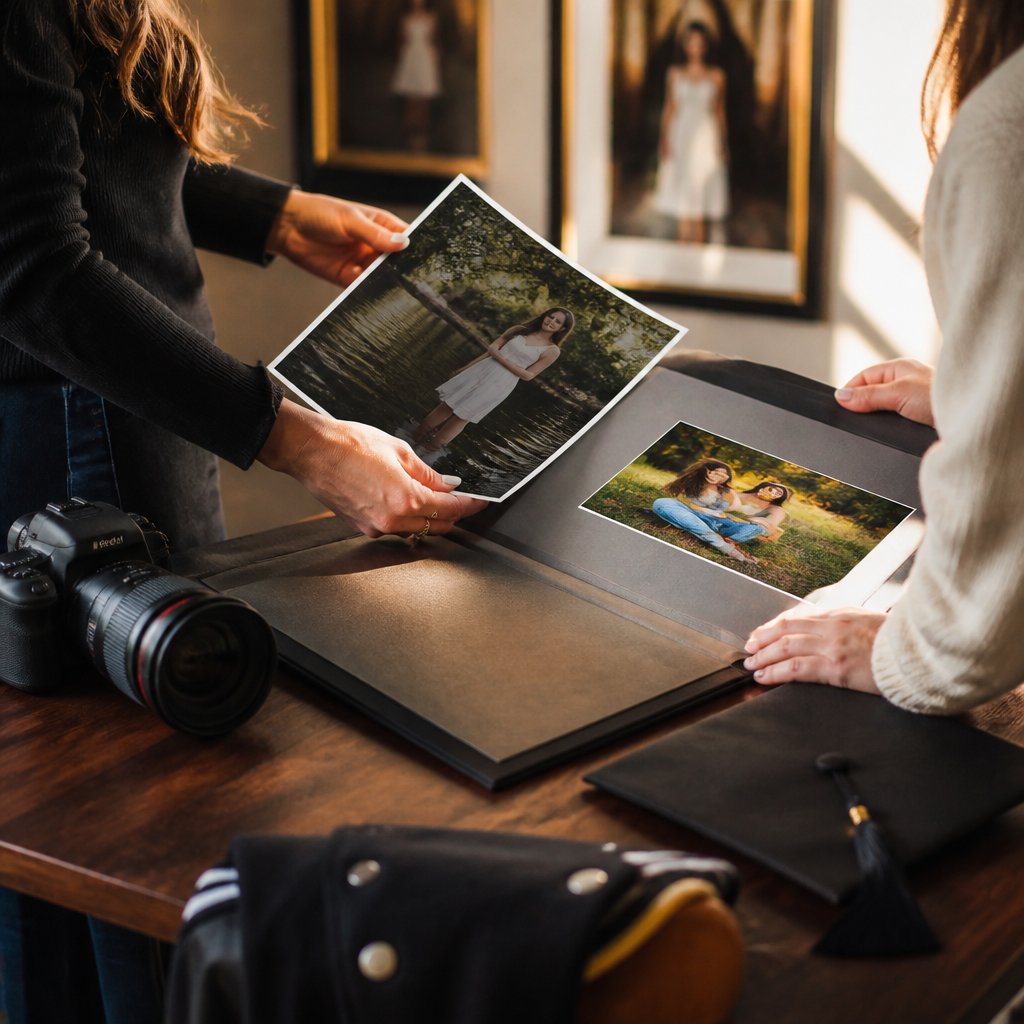
During a consultation, discuss your personal style and how you want to feel in your portraits. Share inspiration photos. Talk about locations you're considering. Explain any specific ideas you have.
A good photographer listens more than they talk. They ask questions about you, your interests, and what matters to you.
Ask about the session experience. How long will it take? How many outfit changes? What's the process for reviewing and selecting images? When will you see proofs? What options exist for prints and albums?
Clarify what's included in the session. Understand what you're getting and what additional costs might apply if you want prints or special albums.
A consultation also gives you a chance to assess whether you feel comfortable with this photographer. You'll spend hours together during your session. That comfort matters.
At Swartz Portraits, consultations happen in your home. This relaxed setting lets you talk openly about your vision while your photographer gets to know your family and understands what matters to you.
Frequently Asked Questions
When should juniors start planning senior portraits?
Junior year is the ideal time to begin planning senior portraits. Starting early gives you flexibility to book your preferred session dates, explore location options, and develop a clear vision for your portrait style. Most families schedule their consultation during junior year and complete their session by early fall of senior year, allowing time to order prints and wall portraits before graduation.
How long does a senior portrait session usually take?
A comprehensive senior portrait session typically spans up to five hours, though the actual time depends on your preferences. This unhurried approach allows for multiple outfit changes, different locations, and the exploration of poses and expressions that feel authentic to your personality. The extended timeframe eliminates the rushed feeling of studio appointments and creates space for natural, candid moments.
What should I bring to my senior portrait session?
Bring all outfit changes you've selected, comfortable shoes for different locations, any meaningful props or objects that represent your interests, and accessories that reflect your personal style. Consider bringing a change of shoes if you're wearing heels or formal footwear for some shots. Have your hair and makeup done or plan to do it before the session. Bring water and snacks to stay comfortable during the extended session time.
How many outfits should a senior bring to a portrait session?
Unlimited outfit changes are part of the session, so you have complete freedom to explore different looks and choose your favorites during the final reveal.
Planning senior portraits for juniors isn't about perfection. It's about intention. Starting in junior year gives you time to build a vision, assemble a wardrobe that feels like you, and choose a photographer who understands your personality. When your session arrives, you'll feel prepared and confident instead of rushed. The portraits you create will reflect who you actually are, not a generic version of what senior portraits are supposed to look like.
Schedule your free in-home consultation.