 comparison
Handcrafted Italian Photography Albums: Quality Guide
Table of Contents
- What Makes Handcrafted Italian Photography Albums Different
- The Craftsmanship Behind Italian Artisan Albums
- Materials That Define Quality in Fine Art Senior Portrait Albums
- Durability and Archival Preservation
- Customization and Personalization for Your Session
- Why Italian-Made Albums Matter for Senior Portraits
- Album Craftsmanship: Quality Control and Defect Policies
- Conclusion
- Frequently Asked Questions
Last Updated: October 9, 2026
What Makes Handcrafted Italian Photography Albums Different
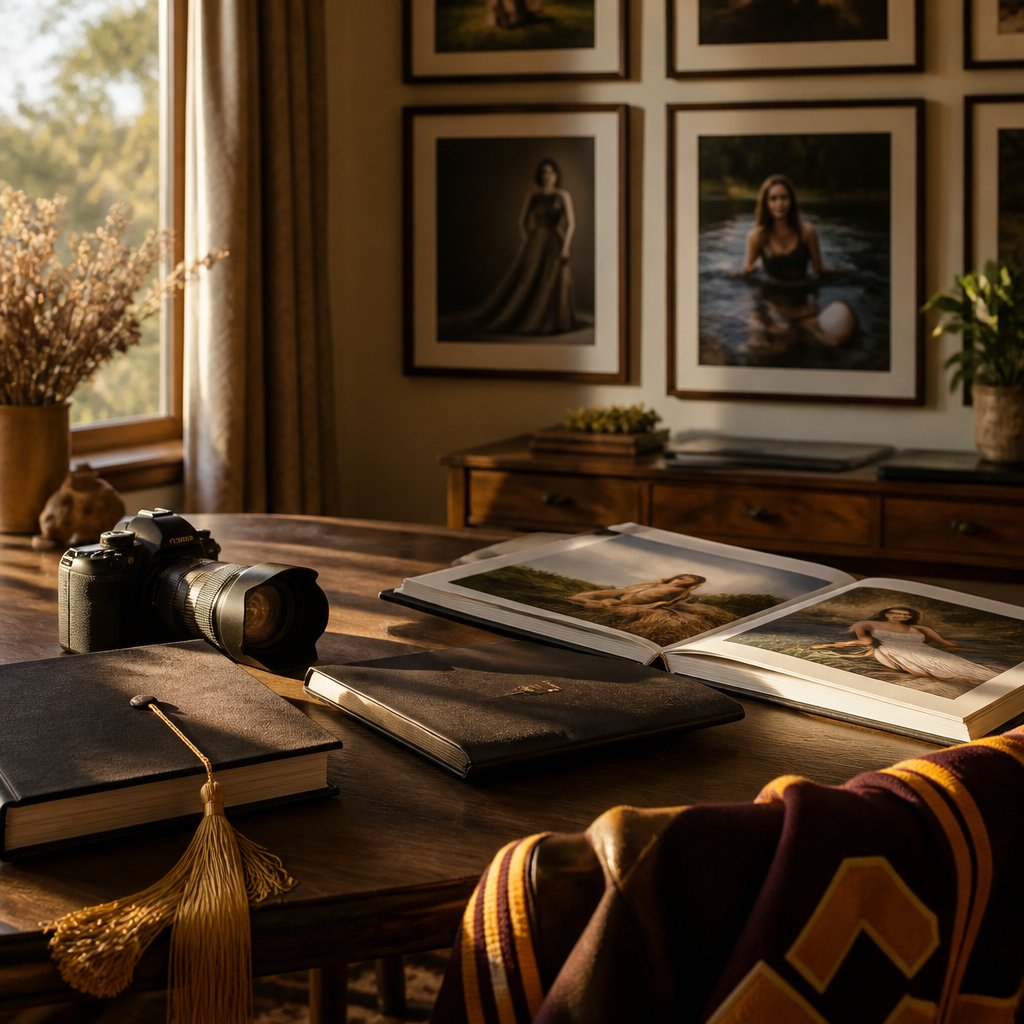
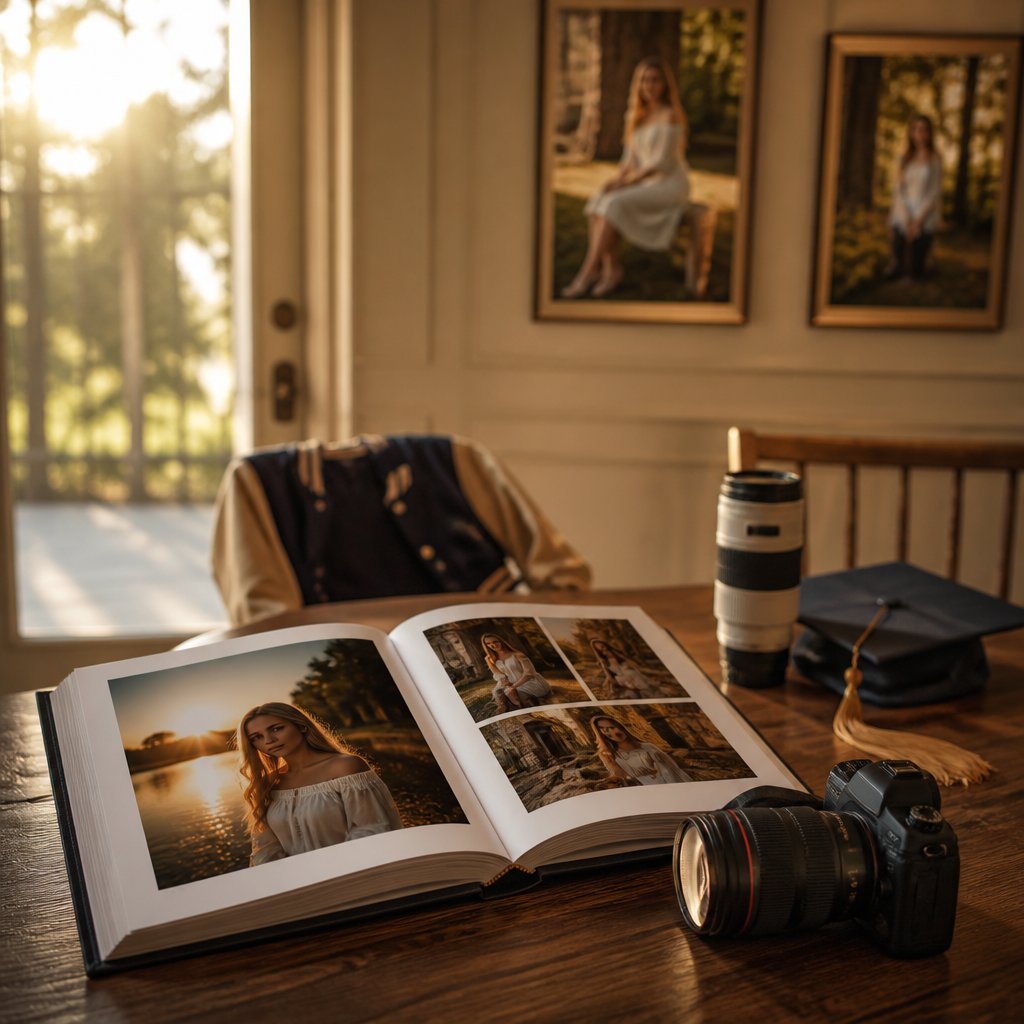
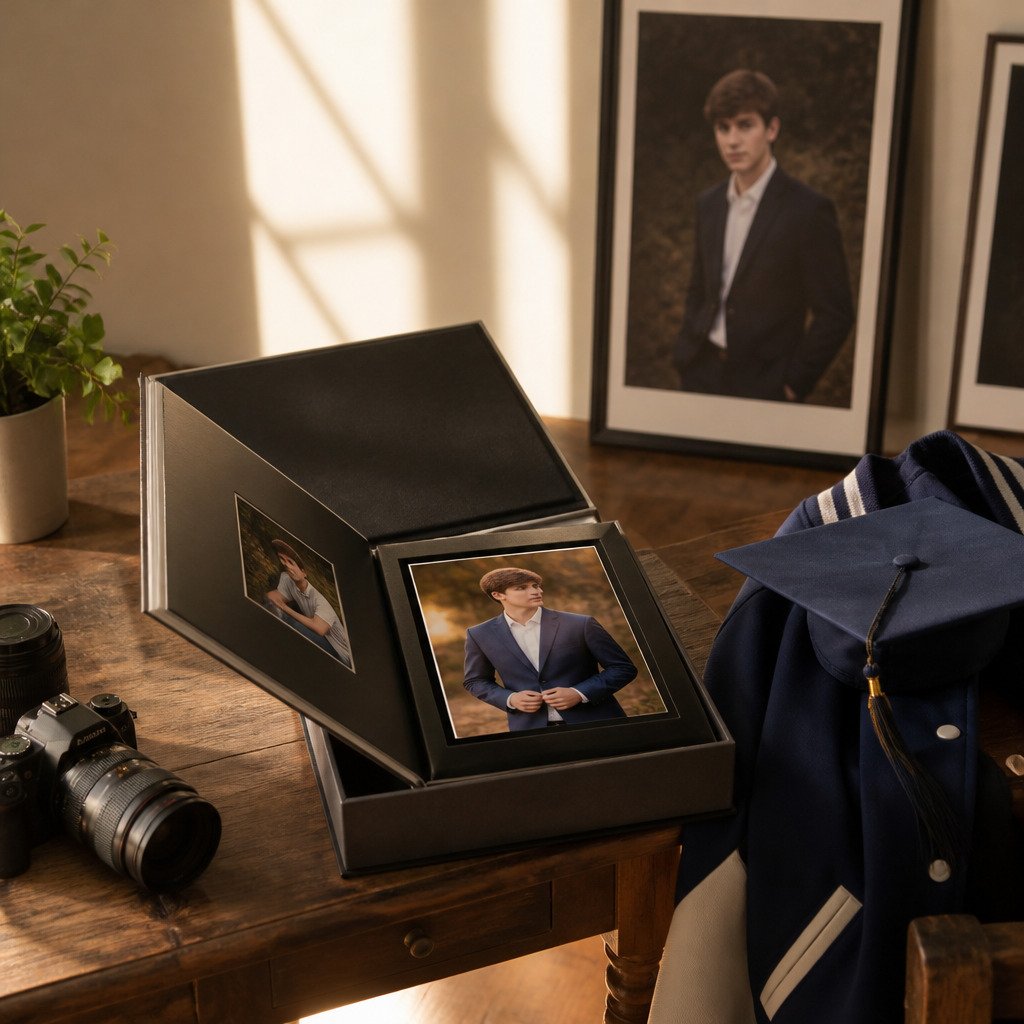
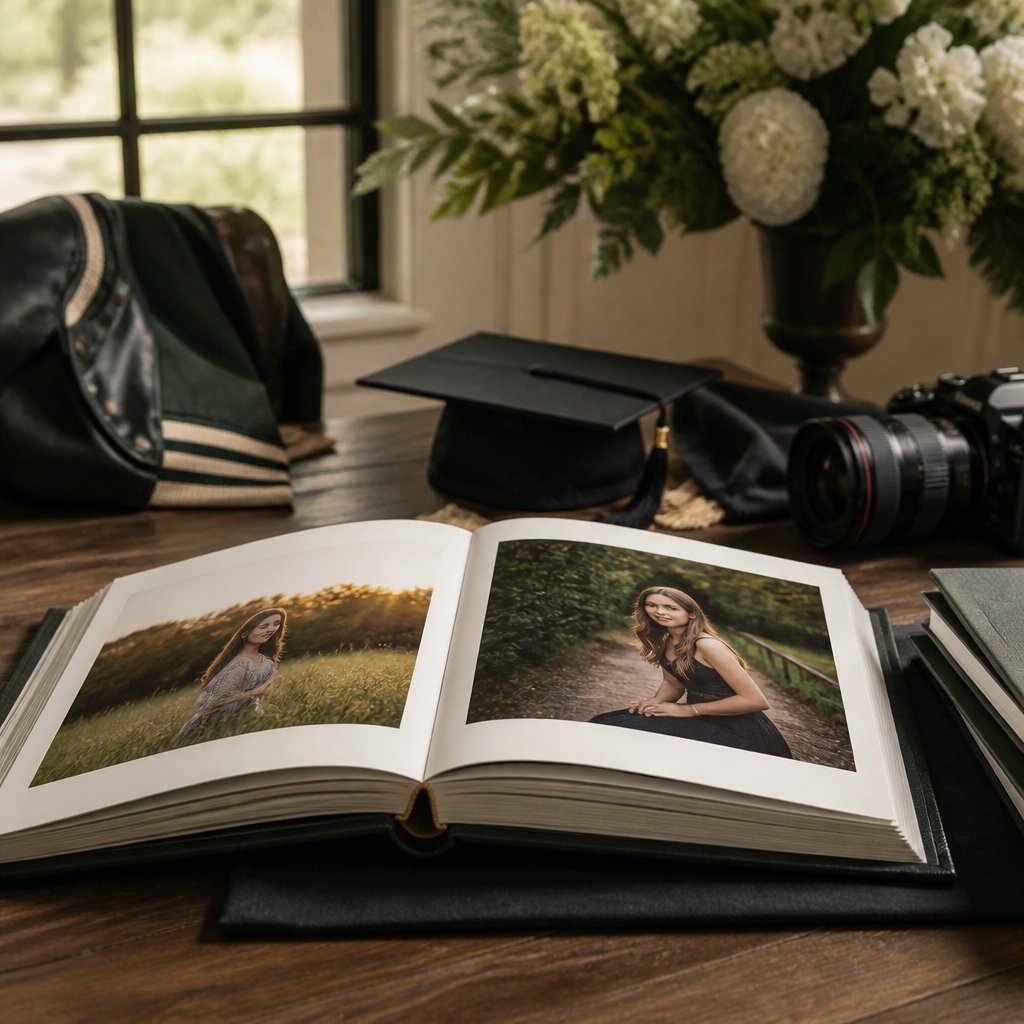
Handcrafted Italian photography albums stand apart because they're built to outlast trends and technology shifts. Unlike mass-produced alternatives, these albums combine artisan assembly, premium materials, and intentional design that honors the photographs within them.
At Swartz Portraits, we've worked with handcrafted Italian photography albums for years, and the difference becomes clear the moment you open one. The paper feels substantial. The binding holds without creasing. The colors stay true across decades.
The craftsmanship behind Italian-made albums reflects a philosophy: photographs deserve a home as thoughtfully made as the images themselves. When you're investing in fine art senior portrait albums to commemorate a milestone like graduation, the album becomes part of the story. It sits on the coffee table. It gets passed to siblings, cousins, grandchildren. It needs to survive that use.
What separates handcrafted Italian photography albums from everything else comes down to three things: how they're assembled, what they're made from, and who's controlling quality at every step. We'll walk through each.
The Craftsmanship Behind Italian Artisan Albums
Italian album makers have spent generations perfecting a single craft. The result is a production philosophy that treats each album as a individual object, not a unit in a batch.
Handmade Construction and Assembly
Handmade construction means human hands touch every album at multiple stages. An artisan doesn't just bind pages, they inspect them, adjust them, and make decisions about fit and finish that a machine can't replicate.
This matters more than it sounds. When pages are cut by hand and assembled by hand, small variations in paper thickness or binding tension get caught and corrected. When a machine does it at industrial speed, those variations compound. You end up with pages that don't sit flush, spreads that don't open smoothly, or covers that don't close evenly.
The handmade approach also means the maker can respond to the specific paper, leather, or cloth being used. Different materials behave differently. Leather stretches slightly. Velvet has nap. Cloth weaves vary. A craftsperson adjusts technique based on what's in front of them. A production line can't.
Binding and Seamless Spreads
The binding is where durability lives. Handcrafted Italian albums use sewn binding, thread stitched through the spine, rather than adhesive alone. Stitched spines hold through hundreds of opens and closes. Glued spines start failing after a few years.
Seamless spreads matter for how the album tells your story. When you open a fine art senior portrait album, you want a two-page image to flow across the middle without a visible gutter or break. Seamless spreads mean the image bleeds across both pages as one continuous scene.
Achieving seamless spreads requires precision in binding and page placement. The spine has to sit perfectly centered. Pages have to be cut to exact dimensions. The photographer's layout and the album maker's binding have to communicate perfectly. When it works, you get a visual experience that feels effortless. When it doesn't, you see the seam every time you look at the spread.
Italian makers invest in this detail because they know it changes how families experience the album. A senior portrait spread across two pages without interruption creates a different emotional impact than one split by a visible gutter.
Materials That Define Quality in Fine Art Senior Portrait Albums
The materials you choose determine how the album ages, how it feels in your hands, and how protected your photographs are over decades.
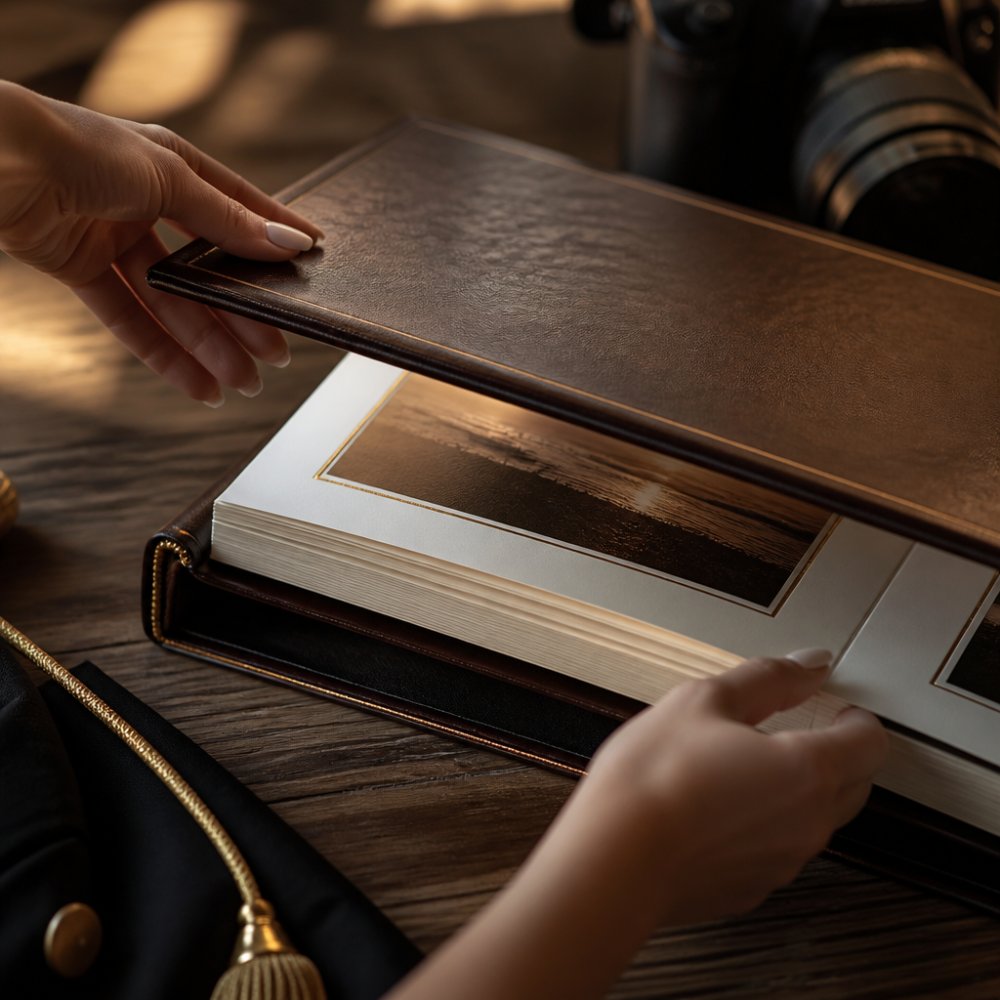
Cover Materials: Leather, Cloth, and Velvet
Three cover materials dominate fine art albums: genuine leather, cloth, and velvet. Each has a different aesthetic and different durability profile.
Genuine leather develops a patina over time. It darkens, softens, and shows wear in ways that can look beautiful or tired depending on how it's used. Leather breathes, meaning it won't crack from humidity shifts the way some synthetics do. It's durable enough to last generations if cared for.
Cloth covers offer a softer aesthetic. They're less likely to show fingerprints or dust than leather, and they don't require conditioning. Cloth is stable across humidity ranges. The downside is that cloth can stain more easily than leather, and it won't develop the rich patina that makes an old leather album feel like an heirloom.
Velvet is the luxury choice. It has a tactile richness that leather and cloth can't match. Running your hand across a velvet cover feels intentional and expensive. The problem is durability. Velvet crushes under pressure. It can pill or lose nap in high-touch areas. A velvet album left on a shelf is fine.
The best choice depends on how the album will be used. A leather album for a family that opens it regularly and doesn't worry about conditioning is the practical choice. A cloth album for families who want low maintenance. A velvet album for families who plan to display it and handle it gently.
Paper Quality and Print Finish
The paper is where your photographs live. Paper quality determines color fidelity, longevity, and how the image feels when you look at it.
Fine art albums use papers specifically engineered for photography. These papers are acid-free, which means they won't yellow or degrade over time. They're also lignin-free, meaning they don't contain wood pulp compounds that cause deterioration.
Print finish matters too. A glossy finish creates high contrast and punchy color. A matte finish reduces glare and feels more subdued. A semi-gloss splits the difference. The finish you choose should match the mood of your senior portraits. A vibrant, high-energy session looks alive on glossy paper. A moody, introspective session often reads better on matte.
Italian album makers typically use Florentine paper or similar European art papers. These papers are thicker and more substantial than standard photo paper. They have a slight texture that catches light. The color rendition is warmer and more forgiving than bright-white papers. When a photograph is printed on Florentine paper and bound into a handcrafted album, the entire experience shifts. It stops feeling like a print and starts feeling like an artifact.
Durability and Archival Preservation
Durability is the reason families choose handcrafted Italian photography albums over digital-only collections. A digital file can disappear if a hard drive fails or a company changes its terms. An album sits on a shelf and survives. But "archival" is a word anyone can print on a box, so it helps to know what the term actually requires and how to verify it before you commit.
What Archival Actually Means, Component by Component
Archival preservation is not one property. It is a chain of properties, and the weakest link sets the ceiling. Here is what to check at each link.
Paper. Look for acid-free and lignin-free stock. Lignin is the wood compound that yellows and embrittles paper over time, and it is the single most common reason a print degrades before the ink does.
Ink and print method. Pigment inks resist fading far better than dye inks because the colorant sits on the surface rather than soaking in. The standard reference point is the Wilhelm Imaging Research fade ratings, which publish display-life estimates for specific printer, ink, and paper combinations.
Binding. Sewn binding with thread through the spine outlasts adhesive-only binding because thread does not dry out, crack, or creep. The best handcrafted albums combine sewn signatures with a reinforced spine and a hinged cover that opens flat without stressing the gutter.
Cover and adhesives. Leather, cloth, and velvet age differently, but the adhesive holding the cover to the board matters just as much. Archival adhesives are pH neutral and remain flexible. Cheap hot-melt adhesive turns brittle and releases. Ask whether the maker uses pH-neutral adhesive throughout.
Storage and display. Even a perfect album degrades in the wrong environment. In practice that means a shelf away from a sunny window, not a garage, attic, or damp basement. A cloth or leather slipcase adds a layer of protection and keeps dust out of the page edges.
A Simple Inspection You Can Do in Person
You do not need a lab to judge an album. When you see proofs and samples in person, run these checks:
- Open to the center of the book and press it flat. A sewn, properly hinged album lies open with little resistance. A glued spine fights you or shows a visible crease.
- Look at the gutter on a full spread. The image should cross the center with no white line, no shadow, and no visible seam.
- Flex a page gently between your fingers. Archival paper has body and a slight tooth. Thin, slick paper telegraphs a lower grade.
- Check the cover edges and corners. Hand-turned corners sit tight and even. Machine-pressed corners often look slightly rounded or uneven.
- Smell the album. A strong chemical or solvent odor suggests adhesives or coatings that have not fully cured and may not be archival.
Why This Matters for a High School Senior Album
A senior portrait album is meant to be opened. It gets pulled off the shelf on graduation day, on move-in weekend, at holidays, and again decades later. That is a lot of handling for a bound object. The difference between an album that survives that use and one that does not comes down to the five components above, not to the word on the box. When you compare options, compare the chain.
Customization and Personalization for Your Session
The beauty of handcrafted production is flexibility. Because albums are made in small batches or individually, you can customize almost everything.
Layout Design and Image Selection
Your album layout should tell the story of your senior session, not force your images into a template. Customization means you choose which photographs go where, how many images per page, and how the spreads flow.
Some families want a chronological layout that follows the session from start to finish. Others prefer thematic organization, all outdoor images together, all indoor images together. Some want single images on pages for impact. Others prefer multi-image spreads that show variety and movement.
The layout is where the photographer's vision and your vision meet. A Master Photographer like Ty Swartz at Swartz Portraits will guide you toward layouts that work, but the final decisions are yours. You're not choosing from preset templates. You're building an album that reflects how you see the session.
Image selection is part of the same conversation. Your session produces dozens of images. Your album holds a fraction of them. Choosing which images make the final cut is how you distill the session into its essential story. Do you want every outfit change represented, or do you focus on your favorite three looks? Do you include candid moments between poses, or stick to composed portraits? These choices shape the album's rhythm and pacing.
Customizable Cover Finishes and Gold Accents
The cover is the first thing people see. Customization here makes the album feel personal and intentional.
Cover material is the biggest choice, leather, cloth, or velvet. But beyond material, you can customize color, finish, and embellishment. A leather cover can be cognac, chocolate, black, or cream. A cloth cover can be linen, canvas, or silk. You can add gold foil stamping with initials or a date. You can choose matte or glossy finish on the cover.
Gold accents are a popular choice for senior portrait albums. A thin line of gold leaf around the edge of the cover. Gold foil with the senior's initials. Gold embossing on the spine. These details are subtle but they transform how the album feels. Gold says heirloom. It says this object matters.
The customization process should feel collaborative, not overwhelming. You're not designing from scratch. You're making intentional choices about a finished product that will be made by skilled craftspeople. The best albums come from families who know what they want and makers who know how to deliver it.
Why Italian-Made Albums Matter for Senior Portraits
Italian album makers have been perfecting their craft for decades. The country has a centuries-long tradition of fine bookbinding and paper arts. That heritage shows up in every album.
An Italian-made album carries a standard of quality that's enforced by reputation and by craft tradition. A maker in Florence or Milan isn't competing on price. They're competing on whether their work will last, whether it will be beautiful, and whether it will make families happy 30 years from now. That changes everything about how they work.
When you choose a handcrafted Italian photography album for your senior portraits, you're choosing an object that was made by someone who cares about the outcome. Not because they're paid more to care, but because the entire system of Italian artisan production is built on that care.
For high school seniors and their families, this matters. Your senior portraits mark a transition. You're documenting who you are at 17 or 18, before college, before career, before life scatters everyone in different directions. That moment deserves a home that will survive intact so you can revisit it at 30, 50, 70. An Italian-made album provides that.
Album Craftsmanship: Quality Control and Defect Policies
Quality control in handcrafted production works differently than in a factory. There is no assembly line where defects get caught at station seven. Instead, inspection happens at every stage because one craftsperson or a small team is responsible for the finished object. That is a strength, but only if you know what to ask before you order.
What a Real Proofing and Color-Correction Process Looks Like
Before an album is bound, the pages should be proofed. Proofing is where color correction happens, and it is the step most likely to be skipped by low-cost producers. A proper process includes:
- A soft proof on a calibrated monitor so the photographer and the family see the same colors.
- A hard proof, meaning a physical print of at least the key spreads, checked against the original files under neutral light.
- A final sign-off from the family before the file goes to the bindery.
Ask whether hard proofs are included or whether they cost extra. Ask who signs off on color, the photographer or the lab. In a handcrafted workflow, the photographer should be the one who approves color, because the photographer saw the light in the room where the portraits were made.
Defect Categories and What Should Be Covered
Defects fall into a few clear buckets. A maker who stands behind their work should be able to tell you how each is handled.
Print defects. Banding, streaking, dust spots, or a color cast that does not match the approved proof. These are caught at proofing or at final inspection and should trigger a reprint at no cost.
Binding defects. Pages separating from the spine, a cracked hinge, a gutter that will not lie flat, or signatures that shift out of alignment. These are structural and should trigger a remake, not a repair, if they appear within the first year of normal use.
Cover defects. Warped boards, lifted corners, uneven foil stamping, or a cover material that separates from the board. Cosmetic defects on a new album should be corrected before delivery.
Shipping damage. Crushed corners, water damage, or a punctured slipcase. This is the maker's or shipper's responsibility, not yours. Ask how the album is packed and whether shipping is insured.
Questions to Ask Before You Order
A short list, and the answers you want to hear:
- What is the remake policy if a defect appears after delivery? You want a stated window, not a vague promise.
- Is the warranty prorated or full? A full remake within the first year is the standard a confident maker will meet.
- Who pays return shipping on a defect? The maker should.
- What is excluded? Normal wear on a velvet cover, for example, is not a defect. Water damage from a flooded basement is not a defect. A maker who is clear about exclusions is usually a maker who honors the inclusions.
- Can I see a sample album before I commit? A studio that keeps samples on hand lets you inspect binding, paper, and cover finish in person rather than trusting a photograph.
What This Looks Like at Swartz Portraits
Every senior portrait album we deliver is handcrafted in Italy by GraphiStudio, a maker whose production is built around the inspection-at-every-stage model described above. Proofs are revealed in person 7 to 10 days after the session, so color and layout are approved by the family before the album goes to the bindery. If a defect appears, we handle the remake. You are not left to negotiate with a lab overseas.
That process is part of why we cap the studio at 100 seniors per year, with no more than 8 from any single high school. Handcrafted work does not scale by adding volume. It scales by keeping the number of albums small enough that each one gets the attention the process requires.
Conclusion
Handcrafted Italian photography albums represent a different approach to preserving your senior portraits. They're made by artisans who prioritize longevity and beauty over volume. They use materials selected for archival preservation. They're customized to reflect your session and your vision.
When Swartz Portraits creates senior portrait heirlooms, we partner with Italian album makers who share that philosophy. Your photographs are printed on archival paper. Your layout is customized to your images and your story. Your album is bound by hand and inspected for quality. The result is an object that will survive decades of family use and still look intentional and beautiful.
This is what separates a handcrafted Italian photography album from everything else: it's made to last, made to be opened, and made to matter.
Schedule your free in-home consultation.
Frequently Asked Questions
What defines the quality of a handcrafted Italian photography album?
Quality handcrafted Italian albums combine three elements: archival, acid-free paper that resists fading; genuine cover materials like leather, cloth, or velvet; and expert artisan assembly with seamless spreads and secure binding. Albums made in Italy by craftspeople follow traditional techniques, using materials rated for longevity. When you choose an album for your senior portrait collection, look for albums that specify archival paper, Italian-made construction, and custom assembly.
Why do Master Photographers choose Italian-made albums for senior portrait sessions?
Italian artisans have perfected album-making over generations. These albums use fine-art paper and genuine materials that preserve image quality and color fidelity over decades. A Master Photographer invests in Italian-made albums because they reflect the care taken during the session itself. When your senior portrait session results in museum-quality heirloom prints handcrafted in Italy, the album becomes part of that legacy, not an afterthought.
How long do handcrafted photography albums last?
The durability depends on paper quality (acid-free, lignin-free paper resists yellowing), cover material (genuine leather ages gracefully), and binding integrity (traditional sewn binding outlasts glued spines). Kept in normal home conditions away from direct sunlight and moisture, a handcrafted album becomes a true heirloom your family passes down.
Are handcrafted albums worth the investment for high school senior portraits?
Yes. Your senior year happens once. A handcrafted Italian album transforms digital files into a tangible family record designed to last generations. Unlike school portraits or digital-only collections, a fine art album showcases your personality and artistry in a form that doesn't depend on devices or storage. The investment reflects the time spent in your custom senior portrait session experience and the quality of the images created.